Myrobalan | Yogic Super Brain Food | Kadukkai Podi
Martyn S. Williams
As a dedicated Haritaki Expert and practitioner of Ayurvedic wellness, I specialize in the transformative power of ancient holistic supplements for modern vitality. My work focuses on the intersection of biological cleansing and spiritual awakening, specifically through pineal gland decalcification and Kundalini energy development. With a deep commitment to sharing the 5,000-year-old secrets of the yogis, I guide our community at haritaki.org toward achieving mental clarity, enhanced intuition, and total physical rejuvenation. Whether you are beginning your journey with Haritaki Plus capsules or seeking to deepen your spiritual practice, I am here to provide science-backed insights and ancestral wisdom to help you awaken your highest potential.
The short answer: Haritaki is a single fruit (Terminalia chebula). Triphala is a classical Ayurvedic blend of three fruits — haritaki, bibhitaki, and amalaki — in equal parts. So haritaki is one of the three pillars of Triphala, which is why the two are constantly confused. If you want the focused properties of the single herb, you take haritaki. If you want the balanced, three-dosha formula, you take Triphala.
What haritaki is on its own
In Ayurveda, haritaki is called the “king of herbs” and is traditionally regarded as the most balancing of the three Triphala fruits. It is the one most associated with the digestive tract, gentle cleansing, and — in the yogic tradition — clarity of mind. Its signature compound is chebulinic acid, a polyphenol that’s the focus of most modern research on the fruit.
What Triphala adds
Triphala combines haritaki with two partners:
Bibhitaki (Terminalia bellirica) — traditionally associated with the respiratory and elimination channels.
Amalaki (Indian gooseberry / amla) — one of the richest natural sources of vitamin C, traditionally cooling and rejuvenating.
The Ayurvedic logic is balance: each fruit is said to favor one of the three doshas (vata, pitta, kapha), so the trio is considered “tridoshic” — suitable for most constitutions as a daily tonic.
How to choose
Choose haritaki if you want the single, traditionally most-balancing herb — especially for digestive support and the mental-clarity tradition it’s known for.
Choose Triphala if you want a gentle, well-rounded daily formula and don’t need haritaki’s specific emphasis.
Many people use them at different times: Triphala as a daily foundation, haritaki when they want its particular character. Neither is “stronger” — they’re built for different jobs.
Quick FAQ
Is haritaki in Triphala? Yes. Triphala is one-third haritaki, alongside bibhitaki and amalaki in equal proportions.
Can you take haritaki and Triphala together? Traditionally they’re used separately rather than stacked, since Triphala already contains haritaki. If you’re combining herbs, it’s sensible to talk to a qualified practitioner first.
Which is better for beginners? Triphala is the more common starting point because it’s balanced for most constitutions. Haritaki is the choice when you want its specific properties.
This article is for educational purposes and is not medical advice. Haritaki is a dietary supplement, not a treatment for any disease. Consult a qualified healthcare provider before starting any supplement.
Part of our complete Haritaki Benefits Guide – an honest look at the traditional uses and modern research.
For millennia, mystics, yogis, and ancient traditions across the globe have revered a small, pinecone-shaped structure nested deep within the geometric center of the human brain. The ancient Greeks labeled it the seat of the soul; Vedic scripts identified it as the physical manifestation of the Ajna (Third Eye) Chakra; and modern philosophers like René Descartes noted it as the primary site where the mind and body interface.
In the modern biological framework, this structure is known as the pineal gland.
From a scientific standpoint, contemporary neurobiology recognizes the pineal gland as a critical neuroendocrine regulator responsible for melatonin synthesis, circadian rhythm regulation, and the modulation of sleep-wake cycles. Research into its precise functions continues to evolve, and its full role in human physiology remains an active area of study.
From a traditional standpoint, Vedic, Buddhist, and Greek philosophical traditions have long ascribed deeper significance to this structure — as the seat of intuition, the physical site of the Ajna (Third Eye) Chakra, and the interface between body and mind. While these perspectives fall outside the scope of peer-reviewed science, they represent thousands of years of accumulated contemplative observation that many practitioners continue to find meaningful.
This article addresses both perspectives, clearly distinguishing what the research supports from what belongs to the realm of tradition and personal experience.
A modern physiological concern is quietly compromising this gland’s function: pineal calcification. If you are seeking deeper meditative states, improved sleep quality, or greater cognitive clarity, understanding pineal gland health and the emerging research on calcification may be a meaningful starting point. This article examines the biological evidence behind calcification, the environmental factors researchers have identified as contributing causes, and the Ayurvedic botanical tradition that has long addressed these concerns.
Part 1: What is Pineal Calcification? (The Biological Reality)
The pineal gland possesses a unique physiological characteristic: it sits outside the protective perimeter of the Blood-Brain Barrier (BBB). Unlike the rest of the central nervous system, which is strictly shielded from circulating toxins, the pineal gland relies on an exceptionally high volume of direct blood flow — surpassed only by the kidneys — to constantly monitor blood chemistry and release melatonin directly into the cerebrospinal fluid and bloodstream.
This lack of a barrier exposes the pineal gland to systemic mineral deposits, rendering it the most heavily calcified tissue in the human body.
The Formation of “Brain Sand”
Pineal calcification occurs when calcium, phosphate, and magnesium accumulate within the gland’s functional tissue, forming micro-crystals known as corpora arenacea or “brain sand.” As these mineralized plaques expand, they replace active, functional pinealocytes (the cells responsible for synthesizing neurotransmitters) with hard, inert calcium hydroxyapatite clusters.
The Consequences of a Calcified Pineal Gland
Circadian Disruption: Decreased pinealocyte density directly downregulates endogenous melatonin production, contributing to fragmented REM cycles, insomnia, and waking exhaustion.
Increased Oxidative Stress: Melatonin is one of the body’s most potent internal antioxidants. A reduction in its production exposes the central nervous system to heightened oxidative stress.
Reduced Meditative Depth: Many long-term meditation practitioners report a correlation between overall neurological health — including healthy melatonin rhythms — and the quality of their contemplative states. While direct causation has not been clinically established, the connection is widely observed in practice.
Part 2: The Triad of Calcification — Fluoride, Diet, and Artificial Light
To address this process, it helps to understand the specific modern factors that researchers and practitioners have identified as contributing causes.
1. The Fluoride Research
The relationship between fluoride and pineal calcification was documented by researcher Jennifer Luke in tissue analyses published in Caries Research (2001). Her work revealed that the pineal gland accumulates fluoride at concentrations significantly higher than those found in bones or teeth — a finding that has since been referenced in subsequent pineal gland research.
Because fluoride shares a chemical affinity with calcium hydroxyapatite, it migrates to the pineal gland and may contribute to the acceleration of calcification. The extent to which standard municipal water fluoride levels affect pineal function in healthy adults remains an area of ongoing scientific discussion. What Luke’s research does clearly establish is an unusual fluoride-pineal concentration relationship that warrants further study.
2. Dietary Calcification Factors
Modern diets frequently include bio-unavailable, inorganic calcium carbonates found in synthetic vitamins and fortified processed foods. When the body cannot properly metabolize inorganic calcium, it circulates freely through the bloodstream. Given the high blood flow to the pineal gland, researchers have hypothesized that free-floating minerals may settle into its tissue over time — gradually contributing to the calcification process.
3. Artificial Blue Light and Circadian Disruption
The pineal gland relies on direct feedback from light receptors in the eyes to regulate melatonin release. Exposure to artificial blue light from smartphones, computers, and LED bulbs after sunset disrupts this feedback cycle, suppressing melatonin production and creating metabolic stress within the tissue. Prolonged disruption of these natural cycles is associated with accelerated calcification in the research literature.
Part 3: The Synergy of Decalcification — Haritaki and Turmeric
While reducing fluoride exposure and artificial light addresses contributing factors, supporting the body’s natural cleansing and anti-inflammatory processes requires an active approach. This is where two of Ayurveda’s most studied botanicals — Haritaki and Turmeric — have been used for thousands of years.
Daily tonic in Ayurvedic practice for over 3,000 years
Turmeric (Curcumin)
Anti-inflammatory, protective against oxidative stress, fluoride-chelating properties in research models
Widely used in Ayurvedic and traditional Chinese medicine
The Haritaki Mechanism: Antioxidant and Tissue Support
Known in ancient texts as the “King of Herbs” and depicted in the hands of the Medicine Buddha, Haritaki (Terminalia chebula) is among the most extensively studied herbs in the Ayurvedic pharmacopoeia.
At the biological level, Haritaki’s antioxidant and tissue-supporting properties are documented in the Journal of Advanced Pharmaceutical Technology & Research, which has archived clinical profiles of its chebulic acid compounds. Traditional Ayurvedic use emphasizes its role in supporting liver function, promoting healthy elimination of metabolic waste, and supporting optimal oxygenation throughout bodily tissues — all of which create a more favorable environment for the body’s natural maintenance processes.
The Turmeric Mechanism: Curcumin’s Protective Effects
Turmeric (Curcuma longa) provides complementary support through its primary active compound, curcumin — one of the most well-researched natural anti-inflammatories in the world.
Research published inPharmacognosy Magazine (Sharma et al., 2014) has demonstrated curcumin’s protective effects against fluoride-induced oxidative stress in research models, describing it as having chelating and protective properties against fluoride toxicity. This research forms the basis for the traditional pairing of Haritaki and Turmeric in formulas designed to support systemic detoxification. Direct evidence in human clinical trials specifically targeting pineal calcification has not yet been published — but the individual herb profiles are well-established.
The Synergistic Combination
Haritaki provides broad-spectrum antioxidant coverage and supports the body’s natural cleansing and elimination pathways
Turmeric addresses inflammation and offers documented protective properties against the type of oxidative damage associated with fluoride exposure
Together, they represent a foundational combination that Ayurvedic practitioners have used as a systemic tonic for centuries — now increasingly supported by emerging phytochemical research
Part 4: Sourcing a Clean Formula
While both Haritaki and Turmeric are available as individual raw powders, achieving consistent daily intake at appropriate ratios requires either careful self-preparation or a verified combined formula.
Key quality markers to look for when selecting any Haritaki or Turmeric supplement:
Whole-fruit Haritaki (not extract-only) — the full-spectrum fruit retains a broader range of active chebulic acid compounds
Organic certification for both herbs — both plants are bioaccumulators, meaning non-organic sourcing can introduce the very contaminants you are working to reduce
Zero synthetic fillers or flow agents — magnesium stearate and silicon dioxide are common additives in mass-produced capsules; look for clean-label formulas
Clearly stated dosage — 500–700mg Haritaki with 40–60mg Turmeric (standardized to curcumin) per capsule represents a commonly used ratio in practitioner-guided protocols
Third-party testing — look for GMP certification and independent purity verification on every batch
Kailash Herbals Pineal Gland Activation is formulated to these specifications — 600mg whole-fruit organic Haritaki paired with 50mg organic Turmeric per capsule, with no synthetic binders or fillers, manufactured under GMP-certified and ISO 22000-verified conditions.
Disclosure: Kailash Herbals produces the Pineal Gland Activation supplement referenced in this article.
Part 5: The Daily Protocol for Pineal Gland Support
Filter Your Water: Invest in a high-quality water filtration system (such as reverse osmosis or activated alumina) that specifically targets and removes fluoride from your daily drinking supply.
Implement a Sunset Digital Fast: Use blue-light filtering software on your devices, or power down all screens at least one hour before bed. This gives your pineal gland the clear, natural dark signal it needs to initiate melatonin production.
Time Your Supplements Thoughtfully: Because the pineal gland operates at its peak metabolic rate during nighttime hours, many practitioners recommend taking cleansing supplements in the evening to align with the body’s natural nightly fasting and restoration cycle.
What Some Users Report During a Consistent Supplementation Routine
Individual responses to supplementation vary significantly and depend on baseline health, diet, sleep habits, and consistency of use. The following reflects patterns that some users of Haritaki and Turmeric have self-reported over time. These are not guaranteed outcomes and have not been evaluated by the FDA.
Early weeks (Days 1–14): Some users report changes in dream recall during this period — noting that dreams feel more vivid or easier to remember upon waking. This may be related to shifts in melatonin rhythms as sleep quality begins to improve, though individual variation is significant.
Weeks 3–4: Users who maintain consistent intake alongside improved sleep hygiene (reduced blue light, regular bedtimes) sometimes report a reduction in brain fog and a greater sense of mental ease during the day. Meditation practitioners in particular note finding it easier to sustain focus during practice.
Month 2 and beyond: Those who maintain a consistent routine — supplementation combined with reduced fluoride exposure and screen discipline — report that these benefits tend to stabilize and deepen over time rather than plateau. Long-term Ayurvedic practitioners have historically used Haritaki as a daily tonic precisely for this reason: its effects are cumulative, not acute.
Note: If you experience any adverse reactions, discontinue use and consult a healthcare professional.
Frequently Asked Questions
Q: Is pineal gland calcification scientifically confirmed?
Yes. Pineal calcification — the accumulation of corpora arenacea, or “brain sand” — is well-documented in the medical literature and visible on standard CT imaging. Its prevalence increases with age and has been studied extensively. What remains less established is the precise functional impact of calcification on melatonin output and consciousness, which continues to be an active area of research.
Q: Is the fluoride-pineal gland connection supported by research?
The foundation comes from researcher Jennifer Luke’s tissue analyses, published in Caries Research (2001), which documented unexpectedly high fluoride concentrations in calcified pineal tissue compared to surrounding brain structures. This is a legitimate, peer-reviewed finding. The precise causal relationship between fluoride exposure at standard municipal water levels and meaningful impairment of pineal function has not been established in controlled clinical trials. The research is real; the extent of its practical significance remains under study.
Q: Does haritaki actually support detoxification?
Haritaki (Terminalia chebula) has an extensive research profile. Studies documented in the Journal of Advanced Pharmaceutical Technology & Research confirm its potent antioxidant activity and hepatoprotective properties. It has been used in Ayurvedic practice as a digestive and cleansing tonic for over 3,000 years. Whether it directly reverses pineal calcification has not been tested in a controlled clinical trial — but its systemic antioxidant and tissue-supporting mechanisms are well-supported in the literature.
Q: Can curcumin chelate fluoride from the body?
Research published in Pharmacognosy Magazine (Bharavi et al.) has demonstrated curcumin’s protective effects against fluoride-induced oxidative stress in animal models. It is accurate to describe curcumin as having chelating and protective properties against fluoride toxicity in these research contexts. Direct evidence of curcumin specifically clearing fluoride from pineal tissue in humans has not been the subject of a controlled human trial to date.
Q: Is haritaki safe for daily use?
Haritaki has a strong traditional and emerging clinical safety profile at standard doses and is generally well-tolerated. People who are pregnant, nursing, or taking blood-thinning medications should consult a healthcare provider before use, as high-dose Terminalia compounds may interact with anticoagulant therapies.
Q: How is Kailash Herbals haritaki sourced?
Kailash Herbals sources whole-fruit haritaki directly from certified organic farms in India. All batches are third-party tested for purity and potency before production. The product is manufactured in a GMP-certified and ISO 22000-verified facility.
Final Thoughts
Pineal calcification is an increasingly recognized consequence of modern environmental exposure, but it does not have to be a permanent condition. By actively reducing toxic exposure, supporting your body with Ayurvedic botanicals with well-established antioxidant and anti-inflammatory profiles, and maintaining a consistent daily routine, you can take a meaningful and evidence-informed approach to your neurological and contemplative health.
To explore more about Ayurvedic tradition, the history of haritaki, and the science of circadian health, visit the Kailash Herbals resource library or explore the broader consciousness and wellness research at EnlightenmentHow.com.
Disclaimer: This article is for informational purposes only and does not substitute for professional medical advice. The statements in this article have not been evaluated by the Food and Drug Administration. Kailash Herbals products are not intended to diagnose, treat, cure, or prevent any disease. Always consult a healthcare professional before beginning any new supplementation protocol.
The science behind haritaki’s pineal gland support lies in its key antioxidant compounds. Read our deep-dive on chebulinic acid in Terminalia chebula to understand exactly how these compounds protect brain tissue and support pineal health. To experience these benefits, try Kailash Herbals Organic Haritaki Capsules — organic, vegan, and specifically formulated for pineal gland and third eye support.
Frequently Asked Questions
Can you really decalcify the pineal gland? Decalcification of the pineal gland is a traditional and wellness concept, not a clinically proven medical procedure. What is well established is that the pineal gland produces melatonin and governs sleep cycles, and that supporting it means protecting sleep, getting morning light, and reducing fluoride exposure. Treat decalcification claims as tradition-informed, not proven medicine.
Does haritaki decalcify the pineal gland? Haritaki is traditionally associated with mental clarity and is the herb held by the Medicine Buddha, but there is no clinical proof that it decalcifies the pineal gland. It is best understood as a supportive part of a practice, not a decalcifying drug.
How do I support my pineal gland naturally? Sleep in real darkness, get morning sunlight, keep a consistent sleep schedule, meditate, and reduce fluoride if your water runs high. These are the evidence-aligned basics; herbs and diet are traditional supports on top of them.
Is haritaki safe to take daily for this? In the Ayurvedic tradition haritaki is considered suitable for daily use, but check with your doctor first if you are pregnant, nursing, on medication (especially blood-sugar), or managing a health condition.
These statements have not been evaluated by the Food and Drug Administration. Haritaki is a traditional herb, not a drug, and is not intended to diagnose, treat, cure, or prevent any disease. Pineal-gland decalcification is a traditional wellness concept, not a proven medical treatment.
When I lived in the Himalayas, my teachers didn’t talk about chebulinic acid. They talked about haritaki the way you talk about a trusted elder — with reverence, specificity, and a certainty built from centuries of direct observation.
It took modern biochemistry to name what they were working with.
Chebulinic acid is now understood to be the primary bioactive compound in Terminalia chebula — the fruit we call haritaki. As research into this herb accelerates, chebulinic acid keeps appearing at the centre of the story. Here is what we actually know.
What is Chebulinic Acid?
Chebulinic acid (molecular formula C₄₁H₃₀O₂₇) is a hydrolyzable tannin — specifically, a complex polyphenol formed from gallic acid and ellagic acid units esterified to a glucose core. It is found in especially high concentrations in the fruit of Terminalia chebula, along with related compounds chebulagic acid, corilagin, gallic acid, and ellagic acid.
Hydrolyzable tannins as a class are known for their bioavailability and metabolic activity. Unlike condensed tannins (found in foods like red wine and dark chocolate), hydrolyzable tannins are readily broken down in the gut into smaller phenolic compounds that can be absorbed into systemic circulation. Chebulinic acid in particular has been shown to produce the urolithin class of metabolites upon gut fermentation — compounds which have their own growing body of research.
Terminalia chebula has one of the highest known concentrations of chebulinic acid of any plant source. This is one of the key reasons it occupies such a central place in both Ayurveda and Tibetan medicine — traditions that identified its potency long before analytical chemistry could quantify it.
Antioxidant Activity
Studies have consistently shown chebulinic acid to be a potent free-radical scavenger. In comparative analyses of plant polyphenols, chebulinic acid demonstrates strong DPPH (2,2-diphenyl-1-picrylhydroxyl) radical scavenging activity — a standard measure of antioxidant capacity (Cheng et al., 2003; Lee et al., 2005). This maps directly onto the traditional Ayurvedic use of haritaki as a rasayana — a rejuvenating herb that supports long-term vitality and slows cellular aging.
Anti-Inflammatory Properties
Chebulinic acid has been shown in cell-based studies to inhibit the production of pro-inflammatory cytokines, including TNF-α and IL-6. The related compound chebulagic acid has been shown to act as a COX/LOX dual inhibitor (Reddy et al., 2009). Chronic low-grade inflammation is implicated in a wide range of modern health conditions — from cognitive decline to metabolic dysfunction — making anti-inflammatory compounds of significant interest to both researchers and practitioners.See Saleem et al., 2002 for an overview of T. chebula phenolic activity against pathogens.
Antimicrobial Activity
Multiple studies have investigated chebulinic acid’s activity against common pathogens. Research has demonstrated inhibitory effects against several bacterial strains, consistent with the long history of haritaki use for digestive health and systemic cleansing in Ayurvedic practice.
Digestive Support
Haritaki’s traditional role as a digestive herb — used to support regularity, reduce bloating, and strengthen what Ayurveda calls agni (digestive fire) — is consistent with chebulinic acid’s demonstrated effects on gut motility and the gut microbiome. Emerging research on tannin-microbiome interactions suggests that the urolithin metabolites produced from chebulinic acid fermentation may play a role in gut-brain signalling — an area of active investigation.
Cognitive Function
This is where the traditional use of haritaki as a brain herb — the “yogic super brain food” of Tibetan Buddhist practice — meets modern inquiry. While direct clinical trials on chebulinic acid and human cognition are still limited, its antioxidant and anti-inflammatory properties are mechanistically relevant to brain health. Oxidative stress and neuroinflammation are both implicated in cognitive decline, and haritaki has been used for centuries by monks specifically seeking mental clarity, focus, and meditative depth. (For a comprehensive review of Terminalia chebula in clinical research, see Bag et al., 2013.)
It would be premature to make strong clinical claims. But the mechanism is there. The tradition saw it first.
The Stability Problem: Why Processing Determines Potency
Understanding chebulinic acid also requires understanding its fragility.
As a hydrolyzable tannin, chebulinic acid is susceptible to thermal degradation. Research in herbal pharmacognosy has shown that sustained high-temperature processing — particularly industrial spray-drying and high-heat extraction — breaks down the tannin structure, producing simpler phenolic degradation products. The resulting material contains gallic acid and ellagic acid, which have their own value, but lacks the intact chebulinic acid of the original whole fruit.
This is not a minor technical detail. It is the central quality question for any haritaki supplement.
Traditional Ayurvedic and Tibetan preparation methods — sun-drying, low-temperature milling, whole-fruit churna preparation — were not simply convenient. They preserved the compound integrity that made the herb effective. Modern industrial processing methods optimised for speed and cost can inadvertently destroy what they’re trying to bottle.
The implication for consumers is direct: the processing method used by your haritaki supplier determines whether the chebulinic acid in the original fruit is still present and intact when the capsule reaches you.
This is why, at Kailash Herbals, our haritaki is cold processed and low-temperature milled to preserve the intact tannin profile. We source from the Himalayan foothills and prioritise preservation of the whole-fruit phytochemical matrix over processing convenience.
Dosage and Bioavailability
A question that follows naturally from understanding chebulinic acid: how much haritaki do you need to take to get a meaningful amount?
Traditional Ayurvedic dosing for haritaki churna ranges from 1 to 3 grams daily. Contemporary supplement research generally supports this range as appropriate for meaningful therapeutic activity. Many commercial haritaki capsules contain 50mg to 200mg — doses that fall well below traditional therapeutic thresholds, regardless of processing quality.
Kailash Herbals haritaki capsules contain 650mg of pure organic haritaki per capsule — within the traditional therapeutic range at two capsules daily (1,300mg). This was a deliberate formulation choice, not a default.
Bioavailability is also worth noting. Because chebulinic acid is a hydrolyzable tannin, it is converted in the gut to metabolites including urolithins, gallic acid, and ellagic acid. This conversion is influenced by individual gut microbiome composition, which means two people taking the same dose may have somewhat different active metabolite profiles. Taking haritaki consistently over time — as traditional practice always recommended — allows the gut microbiome to adapt and optimise conversion.
Chebulinic Acid vs. Other Compounds in Haritaki
A note on the full picture: chebulinic acid is the primary compound, but it is not the only active constituent in Terminalia chebula.
Anti-inflammatory; COX/LOX dual inhibition; complementary to chebulinic
Corilagin
Polyphenol
Anti-inflammatory, hepatoprotective
Gallic acid
Phenolic acid
Antioxidant, antimicrobial
Ellagic acid
Phenolic acid
Antioxidant, antiproliferative
Terchebin & minor tannins
Hydrolyzable tannins
Synergistic / supporting activity
This is why whole-fruit preparations are generally preferred over isolated extracts. The synergistic interaction between these compounds — sometimes called the “entourage effect” by analogy with cannabis research — may be part of what makes haritaki more effective as a whole herb than any single isolated constituent.
The tradition understood this intuitively. Science is confirming it gradually.
Where the Research Goes Next
The research on chebulinic acid is still in relatively early stages compared to better-studied polyphenols like resveratrol or EGCG. Most studies to date are in vitro (cell-based) or animal models. Human clinical trials specifically on chebulinic acid are limited, though trials on Terminalia chebula preparations as a whole are more numerous.
What the existing research consistently supports is mechanistic plausibility — the biology makes sense — along with a safety profile that is very well established across thousands of years of traditional use and modern toxicological review.
For practitioners, researchers, and informed consumers, chebulinic acid represents one of the more compelling bioactive compounds in the Ayurvedic pharmacopoeia. Its presence in the King of Herbs is not incidental. Understanding it is understanding why haritaki is what it is.
Frequently Asked Questions
What is chebulinic acid? Chebulinic acid is a hydrolyzable tannin (molecular formula C₄₁H₃₀O₂₇) and the primary bioactive compound in Terminalia chebula — the Ayurvedic fruit known as haritaki. It is composed of gallic acid and ellagic acid units esterified to a glucose core, and is broken down in the gut into urolithins and simpler phenolics that are absorbed into circulation.
How much haritaki do you need to take to get a meaningful chebulinic acid dose? Traditional Ayurvedic dosing for haritaki ranges from 1 to 3 grams of the whole-fruit powder daily, divided across one or two doses. Many commercial haritaki capsules contain only 50mg to 200mg, which falls below the traditional therapeutic threshold. Kailash Herbals haritaki capsules contain 650mg per capsule — two capsules daily delivers 1,300mg, within the traditional therapeutic range.
Does processing destroy chebulinic acid? Yes — sustained high-temperature processing (industrial spray-drying, high-heat extraction) degrades chebulinic acid into simpler phenolic compounds, removing the intact tannin structure responsible for haritaki’s traditional therapeutic effects. Cold processing and low-temperature milling preserve the original tannin profile. Processing method is the single most important quality variable in any haritaki supplement.
Learn More
📜 What is Haritaki? The complete guide:haritaki.org
Chebulinic acid is the key compound behind haritaki’s powerful effects on brain health and pineal gland support. To understand how these compounds support pineal gland health, read our guide on pineal gland activation and decalcification. For the highest-quality source of chebulinic acid in supplement form, see Kailash Herbals Organic Haritaki Capsules — 100% whole-fruit, organic, and free of fillers.
References
These are real, peer-reviewed publications. PubMed IDs (PMID) are provided so you can locate each one directly on PubMed.
Gao H, Lu H, Fang N, et al. The potential of Terminalia chebula in alleviating mild cognitive impairment: a review. Front Pharmacol. 2024. PMID: 39494343.
Wang T, Li Y, Yin L, et al. Terminalia Chebula Extract Replacing Zinc Oxide Enhances Antioxidant and Anti-Inflammatory Capabilities. Antioxidants (Basel). 2024. PMID: 39334746.
Bag A, Bhattacharyya SK, Chattopadhyay RR. The development of Terminalia chebula Retz. (Combretaceae) in clinical research. Asian Pac J Trop Biomed. 2013. PMID: 23620847.
Huang YN, Zhao DD, Gao B, et al. Anti-hyperglycemic effect of chebulagic acid from the fruits of Terminalia chebula Retz. Int J Mol Sci. 2012. PMID: 22754367.
An Y, Wang W, Gao H, et al. Investigating the mechanism of enhanced medicinal effects of Terminalia chebula fruit after processing based on intestinal flora and metabolomics. Int Immunopharmacol. 2024. PMID: 39368133.
Khazani H, Jalali Kondori B, Sahraei H, et al. Terminalia chebula attenuates restraint stress-induced memory impairment and synaptic loss. Brain Res Bull. 2024. PMID: 38734185.
Tiwana G, Cock IE, Cheesman MJ. Phytochemical Analysis and Antimicrobial Activity of Terminalia bellirica and Terminalia chebula Fruit Extracts. Microorganisms. 2024. PMID: 39770866.
In every depiction of the Medicine Buddha — the blue-bodied deity of healing in Tibetan and East Asian Buddhist tradition — he holds two objects. In his left hand, a bowl of nectar. In his right hand, a small plant with distinctive oval leaves.
That plant is haritaki.
It is the only plant given this distinction in all of Buddhist iconography. And for practitioners of Ayurveda, Tibetan medicine, and traditional Chinese medicine, that honour is not symbolic — it reflects more than a thousand years of accumulated knowledge about one of the most versatile medicinal herbs the world has ever known.
“A kind of Halileh has six flavors and can eliminate all diseases. It is worthy of the King of Medicine.” — Zui Sheng Yao Wang (The Best King’s Sutra)
What the Names Reveal
What makes haritaki’s story so remarkable is how far it travelled, and how many cultures adopted it so completely that they gave it their own name. Each name reveals something different about how that culture understood the herb.
In Sanskrit and early Buddhist texts, it was known as Halileh — arriving in China with the Indian Buddhist monks who travelled the Silk Road during the Tang Dynasty (618–907 CE). The great monk Master Xuanzang, whose journey inspired the famous novel Journey to the West, is said to have encountered this herb on his travels westward.
In Tibetan medicine, haritaki became Arura — a name with its own layered meaning. ‘A’ represents the first sound of all language, signalling haritaki’s primacy among herbs. ‘Ru’ means gathering, reflecting its many properties. ‘Ra’ is an abbreviation for rhinoceros horn — one of the most precious medicinal substances in the Tibetan tradition — used to convey that haritaki was equally valuable. Among all the prescriptions in the vast Tibetan materia medica, Arura appears most frequently.
In Chinese medicine, it became He Zi (诃子) — a name that carries the meaning of both ‘speaking loudly’ (reflecting the urgency and seriousness of its indications) and ‘care and nurturing’ (reflecting its gentle, restorative nature). The character He also aligns with the Buddhist purpose of universalising compassion to all living beings.
In Ayurveda, where Kailash Herbals roots its tradition, haritaki stands alone as the King of Herbs — the single fruit of the three in Triphala considered complete enough to be taken alone, for life.
Then there is its most evocative folk name in Chinese culture: the Big Golden Fruit. Not simply because of the fruit’s brown-gold colour, but because gold was used to describe something of the highest possible value. And the Wind-Floating Fruit — a name given to the immature fruits that fall before harvest, carrying within it an image of the tree’s legendary resilience. Haritaki grows in arid, barren terrain. Even if its trunk is felled, new branches sprout from the stump and a full crown regrows — a living symbol of regeneration that the Buddhist tradition did not miss.
The Silk Road and the Spread of a Sacred Herb
The story of how haritaki reached China is inseparable from the story of Buddhism’s journey eastward. During the Han Dynasty (206 BCE – 220 CE), Indian merchants and monks began travelling the Silk Road into central China, bringing with them not only sacred texts and beliefs but the plants of the Indian subcontinent.
By the time of the Tang Dynasty, haritaki was well established in Chinese medicine. The oldest surviving Chinese pharmacopeia to record it is the Xin Xiu Ben Cao (Newly Revised Materia Medica), dating to that era, which describes it as ‘bitter flavour, warm, nontoxic.’
One account preserved in historical records describes a Sanskrit monk arriving at Guangxiao Temple in Guangzhou during the Song Dynasty. He planted haritaki trees in the temple garden — trees which, according to the records, still stood centuries later, their trunks witnessing generations of monks chanting scripture beneath their canopy. The monks, it is recorded, would chew the fruits when thirsty during long recitations. The fruit quenched their thirst and sharpened their minds — a practical discovery that aligned entirely with what Ayurvedic practitioners had known for millennia.
The monks would chew the fruits when thirsty during long recitations. The fruit quenched their thirst and sharpened their minds.
The Legend of Yichaoma
Every great herb has its origin story. Haritaki’s is the legend of Yichaoma, preserved in Buddhist records and passed down through the Chinese medical tradition.
Long ago, there was a young woman named Yichaoma, the daughter of an innkeeper. She was known for her intelligence, her kindness, and above all for her rice wine — said to taste like nectar. Bodhisattva, the king of medicine, saw her charity and chose to reward it. He gave her a tree and said: ‘This tree is the best medicine in the world. Its roots, trunks, and branches can remove diseases of flesh, bone, and skin, while its fruits can treat diseases of the internal organs.’
Yichaoma planted the tree carefully and tended it until it bore fruit. Each year, she gave the fruits to travellers passing through her father’s inn, explaining how to use them. Later generations named the tree and its fruit in her honour.
It is, at its heart, a story about generosity — the idea that the most powerful medicines are gifts to be shared, not hoarded. It is a fitting origin story for an herb that has crossed oceans and centuries to reach people around the world.
Why the Medicine Buddha Holds Haritaki
The Pharmacist Buddha — known in Sanskrit as Bhaishajyaguru, in Tibetan as Sangye Menla — is one of the most revered figures in Mahayana Buddhism. His specific domain is healing: the healing of physical illness, yes, but more profoundly the healing of the mental poisons that cause suffering.
That he holds haritaki rather than any other plant is a statement about what the tradition considered most important. Not a rare, exotic cure for a specific disease, but a broadly applicable herb for daily use — something that supports the whole system, brings clarity to the mind, and sustains the body over a lifetime.
In the Tibetan tradition, the fruit he holds is sometimes called dug-bcom — “that which renders poison inactive.” It serves as a healing symbol and a metaphor for the Three Poisons of Buddhist thought: desire, hatred, and confusion. Tibetan medicine recognises three basic types of illness whose root causes are these same conflicting emotions — passion, aggression, and ignorance — and haritaki was regarded as the one herb in the pharmacopoeia associated with all three. The symbolism is deliberate: the herb in the deity’s hand mirrors the deity’s own power to see the true cause of an affliction and address it at the root.
“Myrobalan (Tib: A-ru-ra) affects the mind as well as the body. It underlines the nature of the Buddha of Healing. In Tibetan medicine, Myrobalan is considered as the universal treatment, which may cure all 404 diseases known in Tibetan clinical medicine.” — Dr. Natalia Bolsokhoyeva, Buddhist Himalaya, Vol. V, 1993
The Buddhist concept of haritaki as one of four longevity medicines — herbs that can be taken safely for one’s entire life — aligns precisely with how practitioners in the yogic tradition understand it. This is not emergency medicine. It is daily practice. The support that keeps the body clean and the mind clear, day after day, year after year.
The Chinese medical description is consistent with this view. Haritaki ‘astringes the lung to relieve cough, and astringes the intestine to relieve diarrhea’ — two of the most fundamental functions in maintaining daily wellness. It is, at its core, a herb of maintenance and restoration.
The Buddhist concept of haritaki as one of four longevity medicines — herbs that can be taken safely for one’s entire life.
The Medicine Buddha Sutra
The reverence for the Medicine Buddha is captured in the Medicine Buddha Sutra, which records the mantra said to have been pronounced while he rested in the contemplation known as the Removal of Suffering for All Beings:
NAMO BHAGAVATE BHAISAJAYA-GURU-VAIDURYA-PRABHA-RAJAYA TATHAGATAYA ARHATE SAMYAKSAMBUDDHAYA TADYATHA OM BHAISAJYE BHAISAJYE BHAISAJYA SAMUDGATE SVAHA
What runs through all of it — the Sanskrit etymology, the Tibetan symbolism, the Chinese pharmacopeia, the Sutra itself — is the placing of the mind at the centre of healing. In the Buddhist reading, haritaki is valued not only for what it does for the body but for its association with mental clarity, a dimension of the herb that older traditions emphasised far more than modern marketing does.
Peer-Reviewed Research Examines the Tradition
In 2019, researchers Miaoqing Sha and Baican Yang at Shanghai University of Traditional Chinese Medicine published a study in the peer-reviewed journal Chinese Medicine and Culture examining haritaki’s cultural and medical history across Buddhist, Ayurvedic, Tibetan, and Chinese traditions. Their conclusion was that haritaki represents a unique intersection: a herb that has been documented by four distinct medical and spiritual traditions over more than a thousand years, each arriving at remarkably consistent descriptions of its properties.
This kind of cross-cultural consistency is notable. It suggests that the observations were not simply cultural transmission — that different civilisations, working independently, kept describing the same qualities. What the Indian Ayurvedic tradition called the King of Herbs, the Tibetan tradition called as precious as rhinoceros horn, and the Chinese tradition recorded as suitable for lifelong use. The convergence is striking.
A Living Tradition
The haritaki tree growing in the courtyard of Guangxiao Temple in Guangzhou — the one planted by the travelling monk during the Song Dynasty — is still there. Hundreds of years old, still bearing fruit, still standing as a quiet witness to one of the most remarkable journeys in the history of medicinal plants.
For those of us who take haritaki daily, that continuity matters. We are not doing something new. We are participating in a practice that Tibetan monks, Tang Dynasty scholars, Indian practitioners, and Chinese physicians all recognised as worthwhile. The Medicine Buddha holds haritaki in his right hand for a reason.
If you are new to haritaki and want to explore the tradition yourself, Kailash Herbals’ Third Eye Awakening capsules are one of the most reviewed haritaki supplements on Amazon — formulated by Martyn S. Williams, a former Himalayan monk with seven years of direct Ayurvedic study in India.
Further Reading & Source: Sha M, Yang B. Haritaki (诃子), Holy Medicine of Buddhism. Chinese Medicine and Culture, 2019;2:141-4. DOI: 10.4103/CMAC.CMAC_26_19. Published by Wolters Kluwer – Medknow. Open access under Creative Commons Attribution-NonCommercial-ShareAlike 4.0 License.
This article describes the traditional and historical uses of haritaki across Ayurvedic, Tibetan, and Buddhist medical traditions. It is provided for educational and cultural interest only. These statements have not been evaluated by the Food and Drug Administration. Haritaki is a traditional herb and food, not a drug, and is not intended to diagnose, treat, cure, or prevent any disease. Consult a qualified healthcare provider before beginning any new supplement.
Published on Haritaki.org | Category: Research & Science
A remarkable piece of research landed in the scientific literature in early 2025 — and if you’ve been following the world of haritaki and Terminalia chebula supplementation, it’s worth understanding in depth.
Researchers published a study in the peer-reviewed journal Antioxidants (MDPI) exploring what they called a move “From Ancient Fruit to Functional Innovation” — specifically, a new method of delivering haritaki extract using liposomal encapsulation within a chocolate matrix.
This is not just a curiosity. It represents a convergence of ancient Ayurvedic knowledge and cutting-edge nutritional science that could reshape how people consume one of the world’s oldest and most revered medicinal herbs.
Let’s break it down.
The Bioavailability Problem That Nobody Was Talking About
Haritaki (Terminalia chebula) has been used in Ayurvedic medicine for over 3,000 years. It’s one of the three fruits in Triphala, and in the yogic tradition it stands alone as “the King of Medicines.” The Medicine Buddha is depicted holding haritaki — the only plant given this distinction in Buddhist iconography.
The active compounds responsible for haritaki’s remarkable properties are primarily hydrolyzable tannins — chebulagic acid, chebulinic acid, chebulic acid, and gallic acid among others. These molecules have demonstrated antioxidant, anti-inflammatory, neuroprotective, and antimicrobial properties across dozens of studies.
But here is the problem that the traditional wisdom never had to address: modern consumers are taking haritaki in capsule form, often processed and extracted far from its source, and the bioavailability — the amount that actually reaches the bloodstream — varies enormously depending on formulation quality.
Research has shown that the concentration of active tannins in commercial haritaki products varies from as little as 20% up to 70% hydrolyzable tannins depending on the extraction process used. That’s a 3.5-fold difference in potency between a cheap product and a quality one — before you even account for how well your body absorbs it.
This is the problem the new liposomal research is attempting to solve.
What Liposomes Do — And Why They Work
A liposome is a spherical vesicle — essentially a tiny bubble — made from phospholipids, the same molecules that form your cell membranes. When you encapsulate an active compound inside a liposome, several things happen:
Protection: The liposome shields the active compounds from degradation by stomach acid and digestive enzymes that would otherwise break them down before they reach the small intestine.
Targeted delivery: Because liposomes are structurally similar to cell membranes, they can fuse directly with intestinal cells, delivering their contents inside the cell rather than relying on passive diffusion through the gut wall.
Sustained release: Liposomal encapsulation can create a more sustained release of active compounds compared to standard capsules, which dump their contents all at once.
The practical result is that liposomal formulations of herbal extracts often show significantly higher blood plasma concentrations of active compounds than equivalent doses in standard capsule form. This means you need less to achieve the same effect — or you get substantially more benefit from the same dose.
Why Chocolate? The Unexpected Science Behind the Matrix
The choice of a chocolate delivery matrix is more scientifically grounded than it might first appear.
Dark chocolate is rich in phospholipids and oleic acid — fats that are chemically compatible with and stabilizing for liposomal structures. Embedding liposomes in a chocolate matrix protects them during manufacturing and storage in ways that are difficult to achieve in a standard capsule.
Beyond the physical chemistry, dark chocolate contains its own bioactive compounds — flavanols including epicatechin and catechin — that have demonstrated synergistic antioxidant effects when combined with polyphenol-rich plant extracts. The combination of haritaki’s tannins with chocolate’s flavanols creates a complementary antioxidant profile that neither possesses alone.
Theobromine, naturally present in cacao, has mild vasodilatory effects that may improve peripheral circulation and thus distribution of absorbed compounds. And the fat content of chocolate inherently supports the absorption of lipid-soluble co-factors that aid haritaki’s activity.
The researchers are not simply making haritaki more palatable. They are using chocolate’s natural chemistry to enhance the functional performance of the entire formulation.
What This Research Tells Us About Current Haritaki Products
The implications for anyone currently taking haritaki supplements are significant. This research highlights several things that should inform your purchasing decisions right now:
Source and extraction method matter more than you think. The wide variation in tannin concentration between commercial products means the label claim “haritaki extract” tells you almost nothing about potency. Look for brands that are transparent about their extraction process and the variety of haritaki they source.
Not all capsules perform equally. Standard cellulose capsules with dried haritaki powder represent the most basic — and potentially least bioavailable — delivery format. Better options include products that specify organic certification, traditional sourcing, and careful processing.
Consistency is still king. Even with lower bioavailability than liposomal formulations, traditional haritaki capsules taken consistently daily have produced remarkable results for thousands of users over many years. The yogic tradition has always emphasized daily practice over large occasional doses — and this aligns with what we know about herbal supplementation generally.
For those looking for a trusted, long-established haritaki supplement with thousands of verified reviews, Kailash Herbals Third Eye Awakening remains one of the most reviewed haritaki products on Amazon — formulated by Martyn S. Williams, a former Himalayan monk who spent seven years studying Ayurvedic traditions directly with enlightened masters in India.
Where Haritaki Research Is Heading
This liposomal study is part of a broader acceleration of scientific interest in Terminalia chebula. In recent years, peer-reviewed research has demonstrated that haritaki supplementation:
Reduces facial wrinkles and sebum excretion in clinical trials
Shows potent antioxidant activity comparable to vitamin C and E
Demonstrates neuroprotective effects in laboratory studies
Supports gut microbiome health through prebiotic-like activity
Exhibits antimicrobial properties against a range of pathogens
The convergence of Ayurvedic tradition and evidence-based medicine around this herb is accelerating. What was once considered folk medicine is now being systematically validated at the molecular level.
The liposomal chocolate study is significant not just for its findings, but for what it represents: serious scientific and commercial investment in making haritaki more effective and more accessible. When food scientists begin engineering delivery systems for an ancient herb, it’s a clear signal that the herb has crossed from fringe to mainstream.
The Yogis Knew. Science Is Catching Up.
Perhaps the most striking thing about this research trajectory is how consistently modern science is confirming what traditional practitioners have asserted for millennia. Haritaki’s reputation as a brain-enhancing, longevity-supporting, spiritually activating herb is not superstition. It is the accumulated observation of millions of practitioners across thousands of years.
The antioxidant compounds in haritaki are now measurable. The neuroprotective effects are demonstrable in laboratory conditions. The gut-brain connection that Ayurveda has always emphasized — the idea that a clean digestive system produces a clear mind — is now mainstream neuroscience.
And now scientists are working out how to deliver these compounds more effectively to the human body.
For those of us who have been taking haritaki daily for years, none of this is surprising. But it is deeply satisfying.
Reference: “From Ancient Fruit to Functional Innovation: Liposomal Delivery of Haritaki (Terminalia chebula) Fruit Extract via Chocolate Matrix.” Antioxidants, MDPI, 2025. DOI: 10.3390/antiox15030362
There’s a region of your brain called the prefrontal cortex. It sits just behind your forehead, and it’s responsible for nearly everything that makes you an effective leader: working memory, emotional regulation, decision-making under uncertainty, creative problem-solving, cognitive flexibility. It’s the CEO of your brain.
Chronic stress destroys it. Not metaphorically — structurally.
Amy Arnsten’s lab at Yale has shown that sustained stress causes measurable dendritic atrophy in the prefrontal cortex. The branches connecting neurons physically retract. Synapses weaken. Working memory degrades. Your ability to shift strategies when the world shifts — arguably the most critical skill in business right now — gets compromised at the hardware level.
Meanwhile, your amygdala, the threat-detection center, does the opposite. Under chronic stress it grows, building more connections, firing faster. Your fear circuitry gets louder. Your thinking circuitry gets quieter.
Research across multiple labs has confirmed the pattern: the relationship between chronic stress and cognitive flexibility follows an inverted-U curve. A little pressure sharpens you. Sustained pressure dismantles the exact capabilities you need most. Creativity requires prefrontal engagement. Lateral thinking depends on brain networks that chronic stress pulls apart. When your prefrontal cortex is under siege, you don’t get breakthroughs. You get old playbooks and familiar moves — exactly what won’t work in a world changing faster than your plans.
So here’s the question worth sitting with: if you’re a leader running at redline — packed calendar, high stakes, constant context-switching — what’s happening to your prefrontal cortex right now? Not in theory. This week. This year.
The stress doesn’t announce itself. It accumulates quietly. You don’t notice the atrophy. You notice that decisions take longer, creative breakthroughs come less often, and you’re defaulting to what worked last year instead of generating what’s needed next. You attribute it to being busy, to the market, to not enough sleep. All of which may be true. But beneath those explanations, your prefrontal cortex is paying a tax you never agreed to.
The good news: this is reversible. Neuroplasticity goes both directions. But it requires deliberate intervention — nervous system downregulation as a practice, not an afterthought. Breath work, clear daily goals, strategic removal of unnecessary cognitive load.
And one intervention the neuroscience points to that most leaders overlook: social buffering. Research by Heinrichs and colleagues at the University of Zurich showed that the presence of a trusted companion directly suppresses cortisol responses to stress. Genuine allies — not colleagues with competing agendas — calm your biology at a physiological level.
This is precisely what Intuition is built around. Not a weekend retreat. Not a course. A structured container designed around the biology of what creative leaders actually need: nervous system regulation, prefrontal recovery, and sustained peer exposure with the right people, over enough time for the effects to compound.
Because the problem was never willpower. It was always biology. And biology has a solution.
Haritaki powder is made from crushing the fruit of Terminalia chebula, or haritaki tree. The powder itself is finely ground, ranging in color from light brown to a green-tinged yellow.
This special fruit is called the “King of Herbs” by followers of Ayurvedic medicine. Its use throughout history is widespread across south and southeast Asia, where it is grown locally. In Nepal, haritaki is known as Kaddukai podi.
In powder form, haritaki has numerous benefits. Primarily prized for its range of cleansing, purifying, and rejuvenating features, most users ingest the King of Herbs to help with digestive problems (like constipation, bloating, and gas). It has traditionally been valued in Ayurveda for its cleansing and purifying properties.
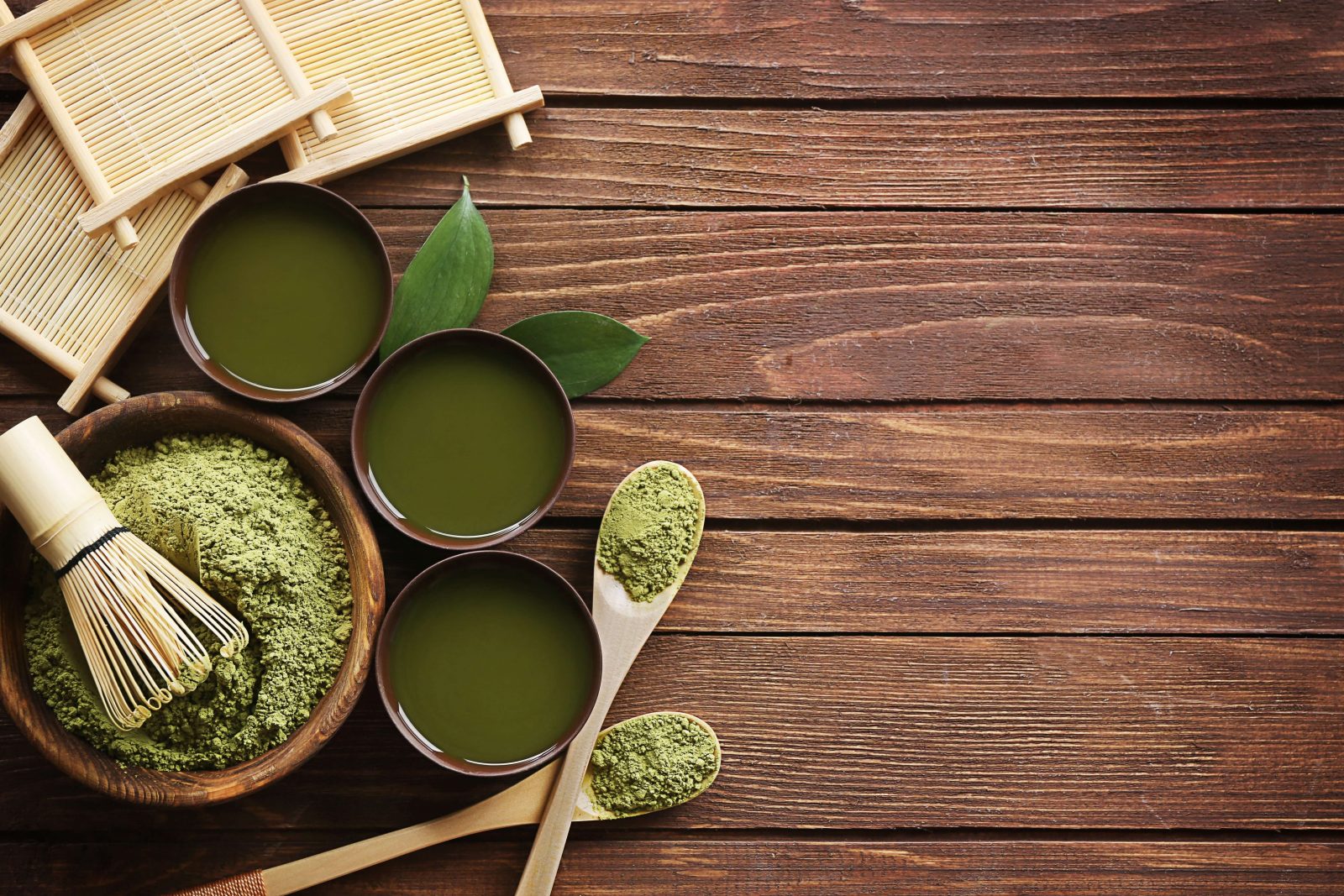
Many take it as a daily supplement to encourage longevity and overall wellness. It can be consumed in a convenient capsule form or as a loose powder added to water to make tea.
If you’re looking for more information about the vast number of positive effects associated with this herb in all its forms, visit our Haritaki Benefits page. You’ll be shocked at how this one little fruit can have such powerful properties!
For now, though, we’ll go into the details specifically about haritaki powder – what it is, how it’s used, and more.
What’s the Difference Between Powder and Capsules?
Haritaki capsules contain the powder in specific, carefully measured amounts. The main difference between capsules and powder lies in the customization of dosages.
The loose powder can be freely measured and added to different liquids to form solutions and pastes. With it, you’re free to choose the dose that works right for you and your needs, as opposed to a capsule that comes in a set dose. Our capsules come in 650mg doses.
Additionally, the powder can be added to different substances (like honey or ghee) for use in balancing different doshas.
In the end, there’s no difference between the powers or ingredients in capsules versus powder. They’re just in different forms for your own convenience!
Is one better than the other?
Whether haritaki powder or capsules are better depends on your unique needs and preferences.
Capsules are great if you’re looking to take haritaki daily in a pre-proportioned dose as a supplement. Haritaki powder, on the other hand, is more versatile. You’re free to customize dosages, add it to water or other liquids, or turn it into a paste.
Many choose capsules over the powder for daily supplements, as capsules also cut down on the flavor of haritaki. On the other hand, some don’t mind the taste and choose the powder to precisely tailor their dosages.
Both capsules and powder are the same substance, but which one is better all depends on what you intend to use it for. If you’ve never taken this herb before and aren’t sure how your body will react, you may want to consider getting the powder first to start off with small amounts and then work your way up.
How Much Haritaki Powder Should I Take?
The correct dosage amount varies depending on various different factors, like your unique physical needs, toxin levels, doshic type, and preferred method of administration.
The most common amount is 500mg (equal to about 1 teaspoon) of powder, mixed with hot water and consumed daily. Regular users will be able to take more of this herb more often. For reference, our capsules contain 650mg.
However, many find that 500mg is too strong to start off with. If that’s the case with you, start off with smaller amounts. Try 1/4th teaspoon to begin with and slowly increase the amount consumed each day as your body adjusts. Haritaki powder can be taken at night or in the morning.
Was Haritaki Historically Consum”ed as a Powder?
Yes! Before capsules were invented, the fruit of the Terminalia chebula tree was dried and crushed into a fine dust and consumed in that form if not eaten intact. It was usually added to hot water to make a simple tea, similar to how it’s taken today.
This herb has a history of use going back thousands of years, with art and literature describing its powers at length. Haritaki powder was taken on its own or mixed with ground amalaki and bibhitaki to form Triphala, an important compound in Ayurvedic medicine. These substances were renowned for their cleansing and healing properties and taken as powders, which was more convenient to store and ingest.
How is Haritaki Powder Consumed Today?
Today, haritaki powder is usually consumed orally either in a convenient capsule form or as a plain powder mixed with water or another substance. It’s also sometimes added to enemas to clean out the digestive tract and lower colon. It can be mixed with a small amount of water to form a paste to be applied to minor breaks or cuts in the skin.
To make tea with haritaki powder, combine one teaspoon (or more or less, depending on your dosage requirements) to eight ounces of hot water. Mix thoroughly and then enjoy!
Many users opt to consume this substance once per night before bed as an effective way to help regulate their digestive systems. But it can also be ingested in the morning or afternoon if it keeps you awake at night or you’re dealing with particularly stubborn digestive problems.
What Does Haritaki Powder Taste Like?
Interestingly, not all people taste the same thing when consuming haritaki powder. Traditional Ayurvedic wisdom ascribes five of the six tastes to haritaki: sweet, sour, pungent, bitter, and astringent – all tastes except for saltiness.
Some find this holy herb to be entirely tasteless, but most often, many users report a bitter or astringent taste. Most find they’re able to comfortably tolerate the bitterness, though it may take some time to get used to it.
If you’re bothered by the taste, the intensity of the bitterness can be altered by 1) changing the amount of powder taken or 2) changing the amount of water used to dilute your dose of haritaki. In other words, start with a smaller amount of powder or use more water to dilute it.
The bitter taste may fade and become slightly sweet after water consumption. Some mix the herb with honey to ease themselves into the taste, combining roughly a tablespoon of honey per quarter teaspoon of powder. If the taste is still too overwhelming for you, consider trying the capsule form.
It’s important to note, though, that many Ayurvedic practitioners don’t advise the continued use of sweeteners with haritaki powder. Allowing yourself to fully taste the rainbow of flavors present in this King of Herbs is an important part of the experience.
What Can I Mix With Haritaki Powder?
To make the consumption of this supplement easier, it’s recommended to mix the powder with plain, filtered water. But there are other possible mixtures, too! Possible substances for mixture include:
Purified water
Honey
Ginger
Ghee (for vata problems)
Raw sugar (for kapha problems)
Rock salt (for pitta problems)
That’s right, there are special mixtures depending on the specific types of problems you’re experiencing and your most prominent dosha.
Perhaps most famous is the use of haritaki for rectifying vata imbalances, which refer to various types of gastrointestinal or digestive distress, like gas, constipating, bloating, and a weak agni.
Combining haritaki powder with ghee (clarified butter) is meant to soothe and balance out these problems. Raw sugar is suitable for pacifying kapha problems, such as brain fog and low energy.
Finally, rock salt added to haritaki powder helps with pitta imbalances, which range from diarrhea to various types of inflammation.
Do not mix haritaki powder with alcohol under any circumstances. Any positive benefits derived from this herb will be negated if consumed with alcohol, due to the dehydrating effects of alcohol. If you’re hungover or have recently been drinking, you also shouldn’t take haritaki powder.
Furthermore, haritaki powder should not be taken by pregnant or breastfeeding women, and therefore should not ever be combined with breastmilk.
Ultimately, because of its cleansing powers, it’s easy to become dehydrated from taking this powerful King of Herbs. You should always make sure to drink plenty of water, either with the supplement or directly after.
Can You Cook with Haritaki Powder?
The fruit from Terminalia chebula is often pickled or preserved, but generally, the crushed form of the fruit has not been historically used for cooking or added to food recipes. This may be as a way to prevent adverse side effects resulting from bad combinations or otherwise diminishing the power of haritaki. The bitter, astringent taste may also combine unpleasantly with the taste of food.
Because haritaki is a herb of cleansing and purity, it’s recommended to consume it in a way that best respects its purity. That means taking haritaki powder in a basic water mixture or in one of the ways listed above. Making tea with it is about as far as advanced as preparation of this supplement gets.
After all, haritaki is a way of purging the body of ama, which is essentially toxins accumulated over time in the digestive tract. These toxins result primarily from impure or undigested food, so it’s best not to add to the waste by cooking dinner with your haritaki. After your evening meal, drink the haritaki tea right before bedtime.
How Do I Make a Paste with Haritaki Powder?
Incredibly, this special herb can be used for more than just regular consumption! A primary benefit of the loose powder is the ability to use it in pastes.
Haritaki has long been thought to possess certain antibacterial and antifungal properties. One unique use of haritaki powder is mixing it with a small amount of water to make a paste to place over small wounds, cuts, ulcers, or other instances of skin irritation.
After thoroughly cleaning the wound with water, mix a few drops of water with a scoop of powder until a paste is formed. Gently place this paste around the wound to soothe irritation and act as an antifungal. You can also opt to rinse the wound with a liquid solution of water and powder.
This paste can also be used traditionally in Ayurveda as a topical application. Clean your face as normal and apply the paste to areas of concern. Repeat daily until the redness and swelling fades.
Can I Use Haritaki Powder for Enemas?
Absolutely. Some haritaki enthusiasts will use this herb as part of a standard enema routine in the morning, as a way to further purify their bodies.
In addition to drinking it in a tea, haritaki powder mixed with water can be used as a colonic solution for maximum cleansing. Simply add a small amount to your enema liquid. This allows the purification capabilities of the powder to be harnessed more thoroughly than regular ingestion.
To unlock the full benefits of haritaki powder for digestive cleansing, consider drinking the haritaki tea alongside using it in an enema. Experts swear by the power of this combination for purging the body of toxins and impaction.
5 Surprising Facts You May Not Know About Haritaki Powder
There’s more to this powerful substance than what’s on the surface. Here are six quick facts about the powder made from the King of Herbs.
Ayurvedic practitioners have used haritaki powder since at least the 7th century
Haritaki powder is often combined with amalaki and bibhitaki to make the compound Triphala
The powder, when either ingested or used in an enema, supports digestive wellness and has been used in Ayurvedic tradition for a wide range of digestive concerns
Paramahamsa Nithyananda, one of the most well-known Hindu swamis, has touted haritaki powder as an essential everyday supplement
Haritaki powder is 100% vegan and gluten-free
What is the Future of Haritaki?
Scientific research behind haritaki is ongoing, but there have already been promising results describing just how this special substance can affect our bodies.
As Ayurvedic practitioners already know, though, haritaki powder has centuries of believers behind it and continues to attract people to its powerful Ayurvedic traditions.
Here are some tips on how to live in ever greater bliss in 2019.
In addition to my Haritaki business I am a High Performance Coach, I work with top executives to help them live an optimal life.
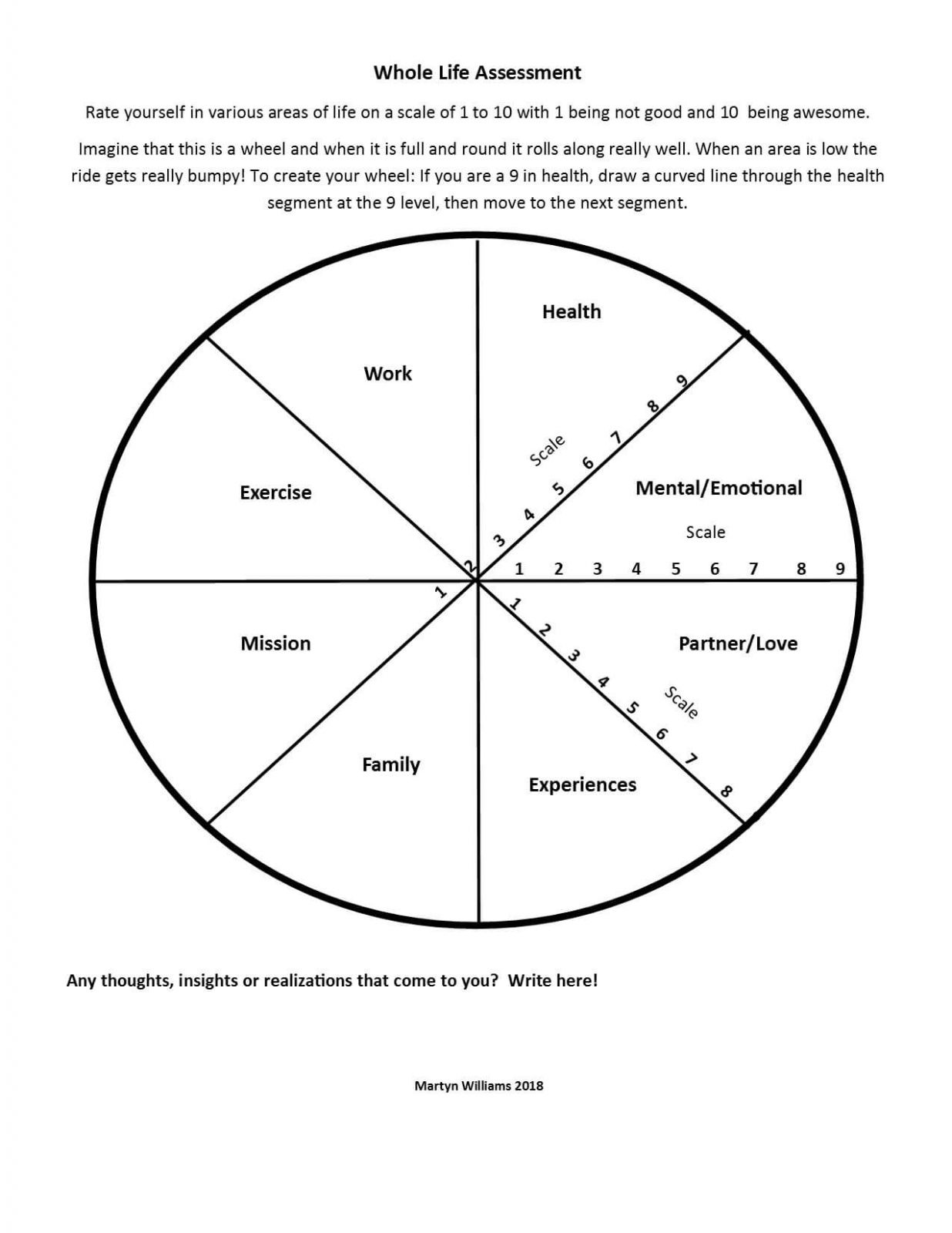
Here are a couple of the worksheets that are helpful for planning the best life possible for 2019.
Please feel free to use them. They take only a few minutes each.
One of my gifts to you for 2019!
Thanks!
Dheera
2019 Life Planning ideas:
Health: What does optimal health look like for you? E.g., I regularly take care of myself so I feel my best. I am energetic and strong every day. I eat well, sleep well. What do you plan to do to get there?
Mental/emotional wellness: How would you like this area to be in 2019? E.g., I live a joyful, blissful life, aided by my positive outlook and attitude. I create my amazing reality constantly. What do you plan to do to get there?
Exercise: What does optimal exercise look like for you? E.g., I plan to run a marathon. I plan to exercise to loose 10 lbs. I plan to walk ½ mile every few days.
Family: What does optimal family life look like? E.g. I am present with my family. I create deep connections with fun and positive energy.
Work: What does optimal work look like? E.g., I plan to enjoy my work even more this year.
Partner/Love: What does optimal partnership/Love look like? E.g, I live through my heart and I am compassionate.
Experiences: What does optimal experiences look like? E.g., I plan special experiences that increase love of life, appreciation for others, the joy of creation, and the fun of friends.
Mission: What does optimal engagement in life look like? E.g., I feel clear and energized about why I am here on the planet, and my contribution.
When you want to lose weight, one of the most important things that you can do is track your progress. For years one of the most popular tools for weight loss analysis was called the Body Mass Index, or BMI. However, today, the open limitations of the BMI are much more apparent.
If you are serious about losing weight, then it pays to find out some of the most important BMI alternatives. What can you use if you want to make sure you can lose weight and then analyze your results accordingly?
The limitations of BMI
The BMI is quite limited in that it does not take into account things like body muscle or body fat. Basically, by taking your height and weight, you can find out what your body mass should be for your own particular height.
However, a common story about why BMI does not work so well comes from Michael Jordan, the sports legend. He was in fantastic shape, but according to his BMI he was overweight – despite being a size 30 waist. Why was he told he was overweight? Because as a super-athlete, he was in supreme muscle-bound condition.
Muscle weighs more than fat, so someone can be well-cut and defined yet, by BMI ratings, would be classed as over their expected weight. This means that you can create a scenario where someone who is actually in fine condition might be chasing ways to cut weight when, in reality, they should be doing nothing of the sort.
By the same token, this works in another way entirely. You could be told that your BMI is perfectly healthy, but in reality you are a good bit over where you should be. It’s a good metric to use, but it does lack a lot of the context we need.
This is why using BMI alternatives is so important. While you could always use a BMI calculator such as the one from Just HCG to find out what your rating is, does it really tell you too much?
If you want to better prepare yourself for proper weight loss, it pays to invest some time and effort into finding out what changes you should make. Here are two popular BMI alternatives that make a fine differing opinion. This should help you out a lot when you want to lose weight. So, how can you go about making positive changes to your weight loss regime?
Relative Fat Mass Index
While the Relative Fat Mass Index (RFM) might be a new concept, it has quickly gained ground and authority across the weight loss industry. It’s very important to learn more about it, as it offers an interesting alternative to what you are using at present.
With the help of the ‘new and improved’ RFM, you can quickly wok out your fat mass. It can also be worked out simply by using a tape measure, which is obviously useful. Unlike other analysis models, this means that you can find out what your fat mass is for a few pounds!
The distance around your waist is taken and then put into relation to your height. This is simpler, it’s less open to interpretation and it does not need quite so much context and padding around it to make it a legitimate form of analysis. Not only that, but it also gives you the help that you need to make a genuine improvement to analysis as it offers you a better idea of whether or not the fat levels you hold presently are healthy or now.
This is one of the reasons why the RFM has become such a wise measure for you to use. it’s based on some very important changes to the procedure, reducing much of the work that you need to do in a bid to find out where your body is at presently. Since the RFM is very popular, it’s rated as equally as good as the DXA body scan – a professional piece of equipment that delivers one of the most accurate fat mass results.
So, with that in mind, you might wish to look into measuring your RFM. It could be one of the best solutions to use during weight loss. What else works, though?
Simple calculations
Of course, other options exist as well. For example, according to Professor Nick Trefethen, the Professor of Numerical Analysis at Oxford University, a simple change to the numbers can produce much better results.
According to Mr. Trefethen, all we need to do is get our weight on a set of scales. Then, take that weight and multiply it by 1.3. Then, divide this by your height to the power of 2.5. This is supposed to be produce a much better level of knowledge about the body, and it does tend to be more suitable for people of a taller nature.
Another option would be to use the Lean Mass Index, or LMI. This is also very popular, and has become a go-to choice for many people looking to lose weight and find out a more accurate representation of where they are. You should look to measure your FMI and LMI apart from one another, though for one simple reason: it will give you a better idea of how much fat, and muscle, you are carrying relative to your weight.
Obviously, you might appear to be heavier if you carry a lot of muscle. It’s important to keep that in mind, as your BMI does not make that clear when you are using it.
For this reason, we recommend that you spend a bit more time getting to grips with what your BMI can do – and what it cannot. If you wish to make more use of numbers to make analysis of your body a bit easier, then following along with all of the above should really help you out.
Your RFM and your LMI will go a long way to helping you get a much clearer picture of your progress than BMI.
Brain function increased with haritaki research indicates
New research indicates Brain Function increased with Haritaki
The latest news is that Haritaki has been shown to increase brain function. Researchers found out to their surprise that haritaki improved brain function and slowed cognitive decline. This obviously is very profound considering the number of people who are noticing issues with brain function diseases such as Parkinson s disease and Alzheimer’s disease.
The researchers used the “cholinergic hypothesis” of Alzheimer’s disease which is linked to a decline in the amount of the acetylcholine in the brain.
Researchers discovered the biochemical and histopathological movements of the neurotransmitter markers that happen to the brain patterns of patients, and found that acetylcholine amounts were
The story here has more details about these research discoveries:
India-based herbal exports specialist Laila has developed a synergistic blend of Brahmi herb and haritaki fruit for use in dietary supplements and functional products targeting age-associated cognitive decline.