Haritaki Gets a 21st Century Upgrade: Understanding the Liposomal Delivery Breakthrough

Published on Haritaki.org | Category: Research & Science

A remarkable piece of research landed in the scientific literature in early 2025 — and if you’ve been following the world of haritaki and Terminalia chebula supplementation, it’s worth understanding in depth.

Researchers published a study in the peer-reviewed journal Antioxidants (MDPI) exploring what they called a move “From Ancient Fruit to Functional Innovation” — specifically, a new method of delivering haritaki extract using liposomal encapsulation within a chocolate matrix.

This is not just a curiosity. It represents a convergence of ancient Ayurvedic knowledge and cutting-edge nutritional science that could reshape how people consume one of the world’s oldest and most revered medicinal herbs.

Let’s break it down.


The Bioavailability Problem That Nobody Was Talking About

Haritaki (Terminalia chebula) has been used in Ayurvedic medicine for over 3,000 years. It’s one of the three fruits in Triphala, and in the yogic tradition it stands alone as “the King of Medicines.” The Medicine Buddha is depicted holding haritaki — the only plant given this distinction in Buddhist iconography.

The active compounds responsible for haritaki’s remarkable properties are primarily hydrolyzable tannins — chebulagic acid, chebulinic acid, chebulic acid, and gallic acid among others. These molecules have demonstrated antioxidant, anti-inflammatory, neuroprotective, and antimicrobial properties across dozens of studies.

But here is the problem that the traditional wisdom never had to address: modern consumers are taking haritaki in capsule form, often processed and extracted far from its source, and the bioavailability — the amount that actually reaches the bloodstream — varies enormously depending on formulation quality.

Research has shown that the concentration of active tannins in commercial haritaki products varies from as little as 20% up to 70% hydrolyzable tannins depending on the extraction process used. That’s a 3.5-fold difference in potency between a cheap product and a quality one — before you even account for how well your body absorbs it.

This is the problem the new liposomal research is attempting to solve.


What Liposomes Do — And Why They Work

A liposome is a spherical vesicle — essentially a tiny bubble — made from phospholipids, the same molecules that form your cell membranes. When you encapsulate an active compound inside a liposome, several things happen:

Protection: The liposome shields the active compounds from degradation by stomach acid and digestive enzymes that would otherwise break them down before they reach the small intestine.

Targeted delivery: Because liposomes are structurally similar to cell membranes, they can fuse directly with intestinal cells, delivering their contents inside the cell rather than relying on passive diffusion through the gut wall.

Sustained release: Liposomal encapsulation can create a more sustained release of active compounds compared to standard capsules, which dump their contents all at once.

The practical result is that liposomal formulations of herbal extracts often show significantly higher blood plasma concentrations of active compounds than equivalent doses in standard capsule form. This means you need less to achieve the same effect — or you get substantially more benefit from the same dose.


Why Chocolate? The Unexpected Science Behind the Matrix

The choice of a chocolate delivery matrix is more scientifically grounded than it might first appear.

Dark chocolate is rich in phospholipids and oleic acid — fats that are chemically compatible with and stabilizing for liposomal structures. Embedding liposomes in a chocolate matrix protects them during manufacturing and storage in ways that are difficult to achieve in a standard capsule.

Beyond the physical chemistry, dark chocolate contains its own bioactive compounds — flavanols including epicatechin and catechin — that have demonstrated synergistic antioxidant effects when combined with polyphenol-rich plant extracts. The combination of haritaki’s tannins with chocolate’s flavanols creates a complementary antioxidant profile that neither possesses alone.

Theobromine, naturally present in cacao, has mild vasodilatory effects that may improve peripheral circulation and thus distribution of absorbed compounds. And the fat content of chocolate inherently supports the absorption of lipid-soluble co-factors that aid haritaki’s activity.

The researchers are not simply making haritaki more palatable. They are using chocolate’s natural chemistry to enhance the functional performance of the entire formulation.


What This Research Tells Us About Current Haritaki Products

The implications for anyone currently taking haritaki supplements are significant. This research highlights several things that should inform your purchasing decisions right now:

Source and extraction method matter more than you think. The wide variation in tannin concentration between commercial products means the label claim “haritaki extract” tells you almost nothing about potency. Look for brands that are transparent about their extraction process and the variety of haritaki they source.

Not all capsules perform equally. Standard cellulose capsules with dried haritaki powder represent the most basic — and potentially least bioavailable — delivery format. Better options include products that specify organic certification, traditional sourcing, and careful processing.

Consistency is still king. Even with lower bioavailability than liposomal formulations, traditional haritaki capsules taken consistently daily have produced remarkable results for thousands of users over many years. The yogic tradition has always emphasized daily practice over large occasional doses — and this aligns with what we know about herbal supplementation generally.

For those looking for a trusted, long-established haritaki supplement with thousands of verified reviews, Kailash Herbals Third Eye Awakening remains one of the most reviewed haritaki products on Amazon — formulated by Martyn S. Williams, a former Himalayan monk who spent seven years studying Ayurvedic traditions directly with enlightened masters in India.


Where Haritaki Research Is Heading

This liposomal study is part of a broader acceleration of scientific interest in Terminalia chebula. In recent years, peer-reviewed research has demonstrated that haritaki supplementation:

  • Reduces facial wrinkles and sebum excretion in clinical trials
  • Shows potent antioxidant activity comparable to vitamin C and E
  • Demonstrates neuroprotective effects in laboratory studies
  • Supports gut microbiome health through prebiotic-like activity
  • Exhibits antimicrobial properties against a range of pathogens

The convergence of Ayurvedic tradition and evidence-based medicine around this herb is accelerating. What was once considered folk medicine is now being systematically validated at the molecular level.

The liposomal chocolate study is significant not just for its findings, but for what it represents: serious scientific and commercial investment in making haritaki more effective and more accessible. When food scientists begin engineering delivery systems for an ancient herb, it’s a clear signal that the herb has crossed from fringe to mainstream.


The Yogis Knew. Science Is Catching Up.

Perhaps the most striking thing about this research trajectory is how consistently modern science is confirming what traditional practitioners have asserted for millennia. Haritaki’s reputation as a brain-enhancing, longevity-supporting, spiritually activating herb is not superstition. It is the accumulated observation of millions of practitioners across thousands of years.

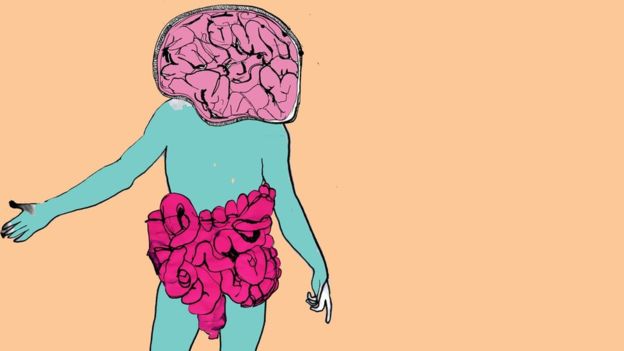
The antioxidant compounds in haritaki are now measurable. The neuroprotective effects are demonstrable in laboratory conditions. The gut-brain connection that Ayurveda has always emphasized — the idea that a clean digestive system produces a clear mind — is now mainstream neuroscience.

And now scientists are working out how to deliver these compounds more effectively to the human body.

For those of us who have been taking haritaki daily for years, none of this is surprising. But it is deeply satisfying.


Further Reading


Reference: “From Ancient Fruit to Functional Innovation: Liposomal Delivery of Haritaki (Terminalia chebula) Fruit Extract via Chocolate Matrix.” Antioxidants, MDPI, 2025. DOI: 10.3390/antiox15030362

 

Your Brain Is Shrinking Under Stress — And You Haven’t Noticed

There’s a region of your brain called the prefrontal cortex. It sits just behind your forehead, and it’s responsible for nearly everything that makes you an effective leader: working memory, emotional regulation, decision-making under uncertainty, creative problem-solving, cognitive flexibility. It’s the CEO of your brain.

Chronic stress destroys it. Not metaphorically — structurally.

Amy Arnsten’s lab at Yale has shown that sustained stress causes measurable dendritic atrophy in the prefrontal cortex. The branches connecting neurons physically retract. Synapses weaken. Working memory degrades. Your ability to shift strategies when the world shifts — arguably the most critical skill in business right now — gets compromised at the hardware level.

Meanwhile, your amygdala, the threat-detection center, does the opposite. Under chronic stress it grows, building more connections, firing faster. Your fear circuitry gets louder. Your thinking circuitry gets quieter.

Research across multiple labs has confirmed the pattern: the relationship between chronic stress and cognitive flexibility follows an inverted-U curve. A little pressure sharpens you. Sustained pressure dismantles the exact capabilities you need most. Creativity requires prefrontal engagement. Lateral thinking depends on brain networks that chronic stress pulls apart. When your prefrontal cortex is under siege, you don’t get breakthroughs. You get old playbooks and familiar moves — exactly what won’t work in a world changing faster than your plans.

So here’s the question worth sitting with: if you’re a leader running at redline — packed calendar, high stakes, constant context-switching — what’s happening to your prefrontal cortex right now? Not in theory. This week. This year.

The stress doesn’t announce itself. It accumulates quietly. You don’t notice the atrophy. You notice that decisions take longer, creative breakthroughs come less often, and you’re defaulting to what worked last year instead of generating what’s needed next. You attribute it to being busy, to the market, to not enough sleep. All of which may be true. But beneath those explanations, your prefrontal cortex is paying a tax you never agreed to.

The good news: this is reversible. Neuroplasticity goes both directions. But it requires deliberate intervention — nervous system downregulation as a practice, not an afterthought. Breath work, clear daily goals, strategic removal of unnecessary cognitive load.

And one intervention the neuroscience points to that most leaders overlook: social bufferingResearch by Heinrichs and colleagues at the University of Zurich showed that the presence of a trusted companion directly suppresses cortisol responses to stress. Genuine allies — not colleagues with competing agendas — calm your biology at a physiological level.

This is precisely what Intuition is built around. Not a weekend retreat. Not a course. A structured container designed around the biology of what creative leaders actually need: nervous system regulation, prefrontal recovery, and sustained peer exposure with the right people, over enough time for the effects to compound.

Because the problem was never willpower. It was always biology. And biology has a solution.


Sources

Haritaki Powder – 101

Haritaki powder is made from crushing the fruit of Terminalia chebula, or haritaki tree. The powder itself is finely ground, ranging in color from light brown to a green-tinged yellow.

This special fruit is called the “King of Herbs” by followers of Ayurvedic medicine. Its use throughout history is widespread across south and southeast Asia, where it is grown locally. In Nepal, haritaki is known as Kaddukai podi.

In powder form, haritaki has numerous benefits. Primarily prized for its range of cleansing, purifying, and rejuvenating features, most users ingest the King of Herbs to help with digestive problems (like constipation, bloating, and gas). It’s also an antibacterial to help calm some symptoms of several chronic illnesses.

Many take it as a daily supplement to encourage longevity and overall wellness. It can be consumed in a convenient capsule form or as a loose powder added to water to make tea.

If you’re looking for more information about the vast number of positive effects associated with this herb in all its forms, visit our Haritaki Benefits page. You’ll be shocked at how this one little fruit can have such powerful properties!

For now, though, we’ll go into the details specifically about haritaki powder – what it is, how it’s used, and more.

What’s the Difference Between Powder and Capsules?

Haritaki capsules contain the powder in specific, carefully measured amounts. The main difference between capsules and powder lies in the customization of dosages.

The loose powder can be freely measured and added to different liquids to form solutions and pastes. With it, you’re free to choose the dose that works right for you and your needs, as opposed to a capsule that comes in a set dose. Our capsules come in 650mg doses.

Additionally, the powder can be added to different substances (like honey or ghee) for use in balancing different doshas.

In the end, there’s no difference between the powers or ingredients in capsules versus powder. They’re just in different forms for your own convenience!

Is one better than the other?

Whether haritaki powder or capsules are better depends on your unique needs and preferences.

Capsules are great if you’re looking to take haritaki daily in a pre-proportioned dose as a supplement. Haritaki powder, on the other hand, is more versatile. You’re free to customize dosages, add it to water or other liquids, or turn it into a paste.

Many choose capsules over the powder for daily supplements, as capsules also cut down on the flavor of haritaki. On the other hand, some don’t mind the taste and choose the powder to precisely tailor their dosages.

Both capsules and powder are the same substance, but which one is better all depends on what you intend to use it for. If you’ve never taken this herb before and aren’t sure how your body will react, you may want to consider getting the powder first to start off with small amounts and then work your way up.

How Much Haritaki Powder Should I Take?

The correct dosage amount varies depending on various different factors, like your unique physical needs, toxin levels, doshic type, and preferred method of administration.

The most common amount is 500mg (equal to about 1 teaspoon) of powder, mixed with hot water and consumed daily. Regular users will be able to take more of this herb more often. For reference, our capsules contain 650mg.

However, many find that 500mg is too strong to start off with. If that’s the case with you, start off with smaller amounts. Try 1/4th teaspoon to begin with and slowly increase the amount consumed each day as your body adjusts. Haritaki powder can be taken at night or in the morning.

Was Haritaki Historically Consum”ed as a Powder?

Yes! Before capsules were invented, the fruit of the Terminalia chebula tree was dried and crushed into a fine dust and consumed in that form if not eaten intact. It was usually added to hot water to make a simple tea, similar to how it’s taken today.

This herb has a history of use going back thousands of years, with art and literature describing its powers at length. Haritaki powder was taken on its own or mixed with ground amalaki and bibhitaki to form Triphala, an important compound in Ayurvedic medicine. These substances were renowned for their cleansing and healing properties and taken as powders, which was more convenient to store and ingest.

How is Haritaki Powder Consumed Today?

Today, haritaki powder is usually consumed orally either in a convenient capsule form or as a plain powder mixed with water or another substance. It’s also sometimes added to enemas to clean out the digestive tract and lower colon. It can be mixed with a small amount of water to form a paste to be applied to minor breaks or cuts in the skin.

To make tea with haritaki powder, combine one teaspoon (or more or less, depending on your dosage requirements) to eight ounces of hot water. Mix thoroughly and then enjoy!

Many users opt to consume this substance once per night before bed as an effective way to help regulate their digestive systems. But it can also be ingested in the morning or afternoon if it keeps you awake at night or you’re dealing with particularly stubborn digestive problems.

What Does Haritaki Powder Taste Like?

Interestingly, not all people taste the same thing when consuming haritaki powder. Traditional Ayurvedic wisdom ascribes five of the six tastes to haritaki: sweet, sour, pungent, bitter, and astringent – all tastes except for saltiness.

Some find this holy herb to be entirely tasteless, but most often, many users report a bitter or astringent taste. Most find they’re able to comfortably tolerate the bitterness, though it may take some time to get used to it.

If you’re bothered by the taste, the intensity of the bitterness can be altered by 1) changing the amount of powder taken or 2) changing the amount of water used to dilute your dose of haritaki. In other words, start with a smaller amount of powder or use more water to dilute it.

The bitter taste may fade and become slightly sweet after water consumption. Some mix the herb with honey to ease themselves into the taste, combining roughly a tablespoon of honey per quarter teaspoon of powder. If the taste is still too overwhelming for you, consider trying the capsule form.

It’s important to note, though, that many Ayurvedic practitioners don’t advise the continued use of sweeteners with haritaki powder. Allowing yourself to fully taste the rainbow of flavors present in this King of Herbs is an important part of the experience.

What Can I Mix With Haritaki Powder?

To make the consumption of this supplement easier, it’s recommended to mix the powder with plain, filtered water. But there are other possible mixtures, too! Possible substances for mixture include:

  • Purified water
  • Honey
  • Ginger
  • Ghee (for vata problems)
  • Raw sugar (for kapha problems)
  • Rock salt (for pitta problems)

That’s right, there are special mixtures depending on the specific types of problems you’re experiencing and your most prominent dosha.

Perhaps most famous is the use of haritaki for rectifying vata imbalances, which refer to various types of gastrointestinal or digestive distress, like gas, constipating, bloating, and a weak agni.

Combining haritaki powder with ghee (clarified butter) is meant to soothe and balance out these problems. Raw sugar (the more organic and unprocessed, the better) is suitable for pacifying kapha problems, such as brain fog or some symptoms of cystic fibrosis.

Finally, rock salt added to haritaki powder helps with pitta imbalances, which range from diarrhea to various types of inflammation.

Do not mix haritaki powder with alcohol under any circumstances. Any positive benefits derived from this herb will be negated if consumed with alcohol, due to the dehydrating effects of alcohol. If you’re hungover or have recently been drinking, you also shouldn’t take haritaki powder.

Furthermore, haritaki powder should not be taken by pregnant or breastfeeding women, and therefore should not ever be combined with breastmilk.

Ultimately, because of its cleansing powers, it’s easy to become dehydrated from taking this powerful King of Herbs. You should always make sure to drink plenty of water, either with the supplement or directly after.

Can You Cook with Haritaki Powder?

The fruit from Terminalia chebula is often pickled or preserved, but generally, the crushed form of the fruit has not been historically used for cooking or added to food recipes. This may be as a way to prevent adverse side effects resulting from bad combinations or otherwise diminishing the power of haritaki. The bitter, astringent taste may also combine unpleasantly with the taste of food.

Because haritaki is a herb of cleansing and purity, it’s recommended to consume it in a way that best respects its purity. That means taking haritaki powder in a basic water mixture or in one of the ways listed above. Making tea with it is about as far as advanced as preparation of this supplement gets.

After all, haritaki is a way of purging the body of ama, which is essentially toxins accumulated over time in the digestive tract. These toxins result primarily from impure or undigested food, so it’s best not to add to the waste by cooking dinner with your haritaki. After your evening meal, drink the haritaki tea right before bedtime.

How Do I Make a Paste with Haritaki Powder?

Incredibly, this special herb can be used for more than just regular consumption! A primary benefit of the loose powder is the ability to use it in pastes.

Haritaki has long been thought to possess certain antibacterial and antifungal properties. One unique use of haritaki powder is mixing it with a small amount of water to make a paste to place over small wounds, cuts, ulcers, or other instances of skin irritation.

After thoroughly cleaning the wound with water, mix a few drops of water with a scoop of powder until a paste is formed. Gently place this paste around the wound to soothe irritation and act as an antifungal. You can also opt to rinse the wound with a liquid solution of water and powder.

This paste can also be used to soothe irritation of acne and boils. Simply clean your face as normal and apply the paste over areas of inflammation. Repeat daily until the redness and swelling fades.

Can I Use Haritaki Powder for Enemas?

Absolutely. Some haritaki enthusiasts will use this herb as part of a standard enema routine in the morning, as a way to further purify their bodies.

In addition to drinking it in a tea, haritaki powder mixed with water can be used as a colonic solution for maximum cleansing. Simply add a small amount to your enema liquid. This allows the purification capabilities of the powder to be harnessed more thoroughly than regular ingestion.

To unlock the full benefits of haritaki powder for digestive cleansing, consider drinking the haritaki tea alongside using it in an enema. Experts swear by the power of this combination for purging the body of toxins and impaction.

5 Surprising Facts You May Not Know About Haritaki Powder

There’s more to this powerful substance than what’s on the surface. Here are six quick facts about the powder made from the King of Herbs.

  1. Ayurvedic practitioners have used haritaki powder since at least the 7th century
  2. Haritaki powder is often combined with amalaki and bibhitaki to make the compound Triphala
  3. The powder, when either ingested or used in an enema, enhances digestion and is thought to cure almost all intestinal problems
  4. Paramahamsa Nithyananda, one of the most well-known Hindu swamis, has touted haritaki powder as an essential everyday supplement
  5. Haritaki powder is 100% vegan and gluten-free

What is the Future of Haritaki?

Scientific research behind haritaki is ongoing, but there have already been promising results describing just how this special substance can affect our bodies.

As Ayurvedic practitioners already know, though, haritaki powder has centuries of believers behind it and continues to attract people to its powerful remedies.

How to have a better year in 2019

2019 is upon us!

Here are some tips on how to live in ever greater bliss in 2019.

In addition to my Haritaki business I am a  High Performance Coach, I work with top executives to help them live an optimal life.

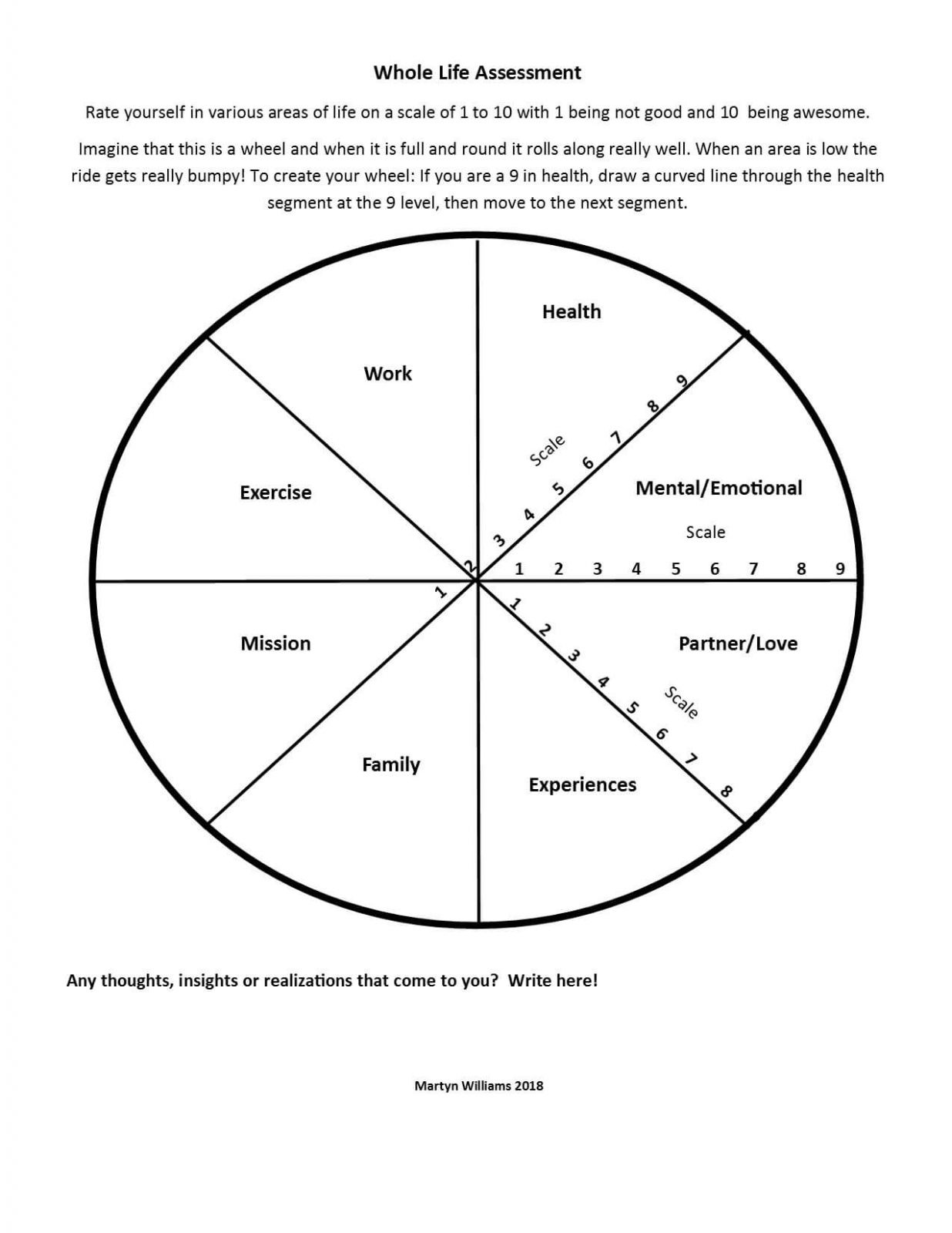
Here are a couple of the worksheets that are helpful for planning the best life possible for 2019.

Please feel free to use them. They take only a few minutes each.

One of my gifts to you for 2019!

Thanks!

Dheera

2019 Life Planning ideas:

Health: What does optimal health look like for you? E.g., I regularly take care of myself so I feel my best. I am energetic and strong every day. I eat well, sleep well. What do you plan to do to get there?

Mental/emotional wellness: How would you like this area to be in 2019? E.g., I live a joyful, blissful life, aided by my positive outlook and attitude. I create my amazing reality constantly. What do you plan to do to get there?

Exercise: What does optimal exercise look like for you? E.g., I plan to run a marathon. I plan to exercise to loose 10 lbs.  I plan to walk ½ mile every few days.

Family: What does optimal family life look like? E.g. I am present with my family. I create deep connections with fun and positive energy.

Work: What does optimal work look like? E.g., I plan to enjoy my work even more this year.

Partner/Love: What does optimal partnership/Love look like? E.g, I live through my heart and I am compassionate.

Experiences: What does optimal experiences look like? E.g., I plan special experiences that increase love of life, appreciation for others, the joy of creation, and the fun of friends.

Mission: What does optimal engagement in life look like? E.g., I feel clear and energized about why I am here on the planet, and my contribution.

Click here for Life Map 2019

Click here for 2019 Life Planning ideas

Here is a link to more Haritaki information


Alternatives to BMI when tracking weight loss

Alternatives to BMI when tracking weight loss

When you want to lose weight, one of the most important things that you can do is track your progress. For years one of the most popular tools for weight loss analysis was called the Body Mass Index, or BMI. However, today, the open limitations of the BMI are much more apparent.

If you are serious about losing weight, then it pays to find out some of the most important BMI alternatives. What can you use if you want to make sure you can lose weight and then analyze your results accordingly?

The limitations of BMI

The BMI is quite limited in that it does not take into account things like body muscle or body fat. Basically, by taking your height and weight, you can find out what your body mass should be for your own particular height.

However, a common story about why BMI does not work so well comes from Michael Jordan, the sports legend. He was in fantastic shape, but according to his BMI he was overweight – despite being a size 30 waist. Why was he told he was overweight? Because as a super-athlete, he was in supreme muscle-bound condition.

Muscle weighs more than fat, so someone can be well-cut and defined yet, by BMI ratings, would be classed as over their expected weight. This means that you can create a scenario where someone who is actually in fine condition might be chasing ways to cut weight when, in reality, they should be doing nothing of the sort.

By the same token, this works in another way entirely. You could be told that your BMI is perfectly healthy, but in reality you are a good bit over where you should be. It’s a good metric to use, but it does lack a lot of the context we need.

This is why using BMI alternatives is so important. While you could always use a BMI calculator such as the one from Just HCG to find out what your rating is, does it really tell you too much?

If you want to better prepare yourself for proper weight loss, it pays to invest some time and effort into finding out what changes you should make. Here are two popular BMI alternatives that make a fine differing opinion. This should help you out a lot when you want to lose weight. So, how can you go about making positive changes to your weight loss regime?

Relative Fat Mass Index

While the Relative Fat Mass Index (RFM) might be a new concept, it has quickly gained ground and authority across the weight loss industry. It’s very important to learn more about it, as it offers an interesting alternative to what you are using at present.

With the help of the ‘new and improved’ RFM, you can quickly wok out your fat mass. It can also be worked out simply by using a tape measure, which is obviously useful. Unlike other analysis models, this means that you can find out what your fat mass is for a few pounds!

The distance around your waist is taken and then put into relation to your height. This is simpler, it’s less open to interpretation and it does not need quite so much context and padding around it to make it a legitimate form of analysis. Not only that, but it also gives you the help that you need to make a genuine improvement to analysis as it offers you a better idea of whether or not the fat levels you hold presently are healthy or now.

This is one of the reasons why the RFM has become such a wise measure for you to use. it’s based on some very important changes to the procedure, reducing much of the work that you need to do in a bid to find out where your body is at presently. Since the RFM is very popular, it’s rated as equally as good as the DXA body scan – a professional piece of equipment that delivers one of the most accurate fat mass results.

So, with that in mind, you might wish to look into measuring your RFM. It could be one of the best solutions to use during weight loss. What else works, though?

Simple calculations

Of course, other options exist as well. For example, according to Professor Nick Trefethen, the Professor of Numerical Analysis at Oxford University, a simple change to the numbers can produce much better results.

According to Mr. Trefethen, all we need to do is get our weight on a set of scales. Then, take that weight and multiply it by 1.3. Then, divide this by your height to the power of 2.5. This is supposed to be produce a much better level of knowledge about the body, and it does tend to be more suitable for people of a taller nature.

Another option would be to use the Lean Mass Index, or LMI. This is also very popular, and has become a go-to choice for many people looking to lose weight and find out a more accurate representation of where they are. You should look to measure your FMI and LMI apart from one another, though for one simple reason: it will give you a better idea of how much fat, and muscle, you are carrying relative to your weight.

Obviously, you might appear to be heavier if you carry a lot of muscle. It’s important to keep that in mind, as your BMI does not make that clear when you are using it.

For this reason, we recommend that you spend a bit more time getting to grips with what your BMI can do – and what it cannot. If you wish to make more use of numbers to make analysis of your body a bit easier, then following along with all of the above should really help you out.

Your RFM and your LMI will go a long way to helping you get a much clearer picture of your progress than BMI.

Brain Function News

Brain function increased with haritaki research indicates

New research indicates Brain Function increased with Haritaki

The latest news is that Haritaki has been shown to increase brain function. Researchers found out to their surprise that haritaki improved brain function and slowed cognitive decline. This obviously is very profound considering the number of people who are noticing issues with brain function diseases such as Parkinson s disease and Alzheimer’s disease.

The researchers  used the “cholinergic hypothesis” of Alzheimer’s disease which is linked to a decline in the amount of the acetylcholine in the brain.

 Researchers  discovered the biochemical and histopathological movements of the neurotransmitter markers that happen to the brain patterns of patients, and found that acetylcholine amounts were

The story here has more details about these research discoveries:

https://www.nutraingredients.com/Article/2018/07/12/Laila-Nutraceuticals-files-patent-on-highly-potent-herbal-blend-for-brain-health

Laila Nutraceuticals files patent on ‘highly potent’ herbal blend for brain health

 By Kacey Culliney

India-based herbal exports specialist Laila has developed a synergistic blend of Brahmi herb and haritaki fruit for use in dietary supplements and functional products targeting age-associated cognitive decline.

HTTPS://WWW.NUTRAINGREDIENTS.COM/ARTICLE/2018/07/12/LAILA-NUTRACEUTICALS-FILES-PATENT-ON-HIGHLY-POTENT-HERBAL-BLEND-FOR-BRAIN-HEALTH 

Link to other haritaki benefits here

More insights on how haritaki works.

More insights on how haritaki works.

Research reveals that more than half your body is not human. What this more than half of you is, is bacteria that have an independent life while living within you.

These bacteria cause us to be healthy or unhealthy. Research has indicated that when we change the bacterial composition in us we then change our health.  We know that haritaki is amazing at eliminating bacteria that is harmful to us, and fostering bacteria that is helpful to us. Looking at the effects of haritaki through this lens we see how potent it can be for massive transformation of our bodies, as Paramahamsa Nithyananda discusses with us regularly.

How haritaki works
How haritaki works

There is a wonderful article in the BBC News about this that I highly recommend.

To quote from the article:

More than half of your body is not human, say scientists.

Human cells make up only 43% of the body’s total cell count. The rest are microscopic colonists.

Understanding this hidden half of ourselves – our microbiome – is rapidly transforming understanding of diseases from allergy to Parkinson’s.

The field is even asking questions of what it means to be “human” and is leading to new innovative treatments as a result.

“They are essential to your health,” says Prof Ruth Ley, the director of the department of microbiome science at the Max Planck Institute, “your body isn’t just you”.

No matter how well you wash, nearly every nook and cranny of your body is covered in microscopic creatures.

This includes bacteria, viruses, fungi and archaea (organisms originally misclassified as bacteria). The greatest concentration of this microscopic life is in the dark murky depths of our oxygen-deprived bowels.

Prof Rob Knight, from University of California San Diego, told the BBC: “You’re more microbe than you are human.”

Originally it was thought our cells were outnumbered 10 to one.

“That’s been refined much closer to one-to-one, so the current estimate is you’re about 43% human if you’re counting up all the cells,” he says.

But genetically we’re even more outgunned.

The human genome – the full set of genetic instructions for a human being – is made up of 20,000 instructions called genes.

But add all the genes in our microbiome together and the figure comes out between two and 20 million microbial genes.

Prof Sarkis Mazmanian, a microbiologist from Caltech, argues: “We don’t have just one genome, the genes of our microbiome present essentially a second genome which augment the activity of our own.

“What makes us human is, in my opinion, the combination of our own DNA, plus the DNA of our gut microbes.”

The article is here: http://www.bbc.com/news/health-43674270

Here is a link to order haritaki

Haritaki Reviews

Here I am posting haritaki reviews of  by various customers. Thanks!

Victor from India writes: I have been taking haritaki powder and feeling great like never before like mental clarity, more focused and concentration level, skyrocket energy, expansion of thoughts, more positive and creative thought pattern. 
In the last so many years I have tried so many herbs for my mind related problems like severe brain fog, anxiety, depression, very low energy etc but didn’t notice any changes.
 It is only after trying haritaki powder I felt immediate changes in my mind powers and energy level.
Just a single herb like haritaki has so many benefits on the brain, mind and body.
https://youtu.be/DPwhUL9rshE

Here are some more haritaki reviews

Ven. Thubten Pema Tenzin Rinpoche
He in a few weeks has brought his brain cancer to a zero
He was stage 4 brain cancer & 8 months in ICU . His cancer level was 2000 last month & in a few weeks it zero after lots of haritaki in his blender
He will go on yelp for you He will go down in history for you as his dr. Vo a oncologist in Upland knows it the haritaki
Mary Ann Los angeles
 My anxiety become clear, everyday my body is better i dont feel tired when i got up in the morning. Its very helpful for BM everyday. Im so happy for this product.
 Find out more about haritaki  reviews here

Haritaki capsules get great reviews

Haritaki helps gallstones

Haritaki has been proven to help with gall stones.

This information on gallstones haritaki from this link   

Ayurvedic medicines which can dissolve or eradicate the gallstones with regular use are given below-

  • Kwath (Home-made decoctions): These are more famous and more preferable Ayurvedic medicines for gallstone disease.
    Guduchyadi Kwath; Faltrikadi Kwath; Bhunimbaadi Kwath; Abhayaadi Kwath; Triphala Kwath; Varunaadi Kwath; Pathyaadi Kwath; OPD CHEK Decoction etc.
    Method for preparing the Home-made decoction-
    Take around two tablespoonfuls of Herbal decoction and mix it well with around two cups of water (Around 150 ml water) in the evening hours. Keep the mixture for whole night. The very next morning, boil this mixture on light to medium flame. Shake it well during boiling. Gradually the water will start to get evaporating. When around half cup of water remains in the mixture during boiling, take it down. Strain the liquid into a glass or ceramic container using a sieve or a cloth such as a jelly bag or muslin cloth. Drink the freshly prepared liquid decoction after 4-5 minutes.
  • Kadha (Ready-made decoctions in Syrup base):
    Bhunimbaadi Kadha; Faltrikaadi Kadha; Pathyaadi Kadha etc.
  • Churna (Ayurvedic herbal powders):
    Katuki Churna; Trivrut Churna; Triphala Churna; Haritaki Churna etc.
  • Vati(Tabletes and Capsules):
    Pathyaadi ghanvati; Samsamani Vati; Livotrit tablet; Liver-Kidney Care Capsule; Immunity Capsule (Organic India Pharma); Beliver Capsule (Pink health Pharma), Reliz Capsule (Siddham Ayurveda’s) etc.
  • Syrup:
    Livotrit Syrup, Hepnar Syrup, Liv-52 Syrup etc.

As you can see haritaki powder is listed as one of the herbal remedies for Gall Bladder issues.

Explanation of where gall stones are located in the human body, and how haritaki helps them

The following videos explain more about gallstones in general, what causes them and how the can be reduced or eradicated.

Here is a link to more information on haritaki

The Mayo Clinic describes gallstones like this:

Gallstones are hardened deposits of digestive fluid that can form in your gallbladder. Your gallbladder is a small, pear-shaped organ on the right side of your abdomen, just beneath your liver. The gallbladder holds a digestive fluid called bile that’s released into your small intestine. Gallstones range in size from as small as a grain of sand to as large as a golf ball. Some people develop just one gallstone, while others develop many gallstones at the same time. People who experience symptoms from their gallstones usually require gallbladder removal surgery. Gallstones that don’t cause any signs and symptoms typically don’t need treatment.


Haritaki and Aushadha

Remarkable results using Haritaki and Aushadha

I just came back from Bidadi India, where I witnessed remarkable events that involved haritaki.

I was filming a documentary on transformation, and the transformation was being orchestrated by the Indian Avatar, Paramahamsa Nithyananda.

Paramahamsa Nithyananda is using haritaki in many many different ways. He explains that when he uses haritaki with other herbs and his energy he can create alchemical mixtures that create rapid increases in consciousness.

The program became quite bizarre when Nithyanananda mixed these herbal mixtures, using haritaki, turmeric,neem and many other herbs. These herbs are then added to butter and oils to and heated over fire for many hours to make special pastes. These pastes and potions are then applied to the body.

In some cases the pastes are applied to specific areas of the body to work in increasing a specific brain function, such as memory or third eye powers. At other times the aushadha is applied over the whole body and may be left there for some hours before washing off.

In the videos below you will see that the haritaki and aushadha and initiation is causing quite remarkable events to take place, including moving of objects with the mind, this is referred to as consciousness over matter.

If you have questions about how to increase the ability to use the third eye then please send me a note. I have a free e-book on third eye opening that includes many ways to increase the power of the third eye, and many of these ways use haritaki plus


Here is a link to the facebook post about this

Link: http://www.nithyananda.org/keywords/aushadha-process#gsc.tab=0

In this discourse delivered on 30 August 2017, Paramahamsa Nithyananda reveals deeper truths about the Spiritual Alchemy science called ‘Aushada’. Aushada is one of the 3 methods through which Sadāshiva opens up the possibilities of manifesting all the powers, manifesting all the states of Consciousness and exploring dimensions of the Universe. Aushada can be herbal combinations; combination of herbs Prana, cosmic force energies, ultimately the Shaktipada of Sadashiva. Watch, share and like the video’s and Subscribe to our channel to be notified of the next upload.

Benefits of Haritaki and Aushada made by Paramahamsa Nithyananda include third eye awakening

My wife Maria Perez, in this video explains how the haritaki, aushadha and the initiation of Paramahamsa Nithyananda helps her move a bottle.